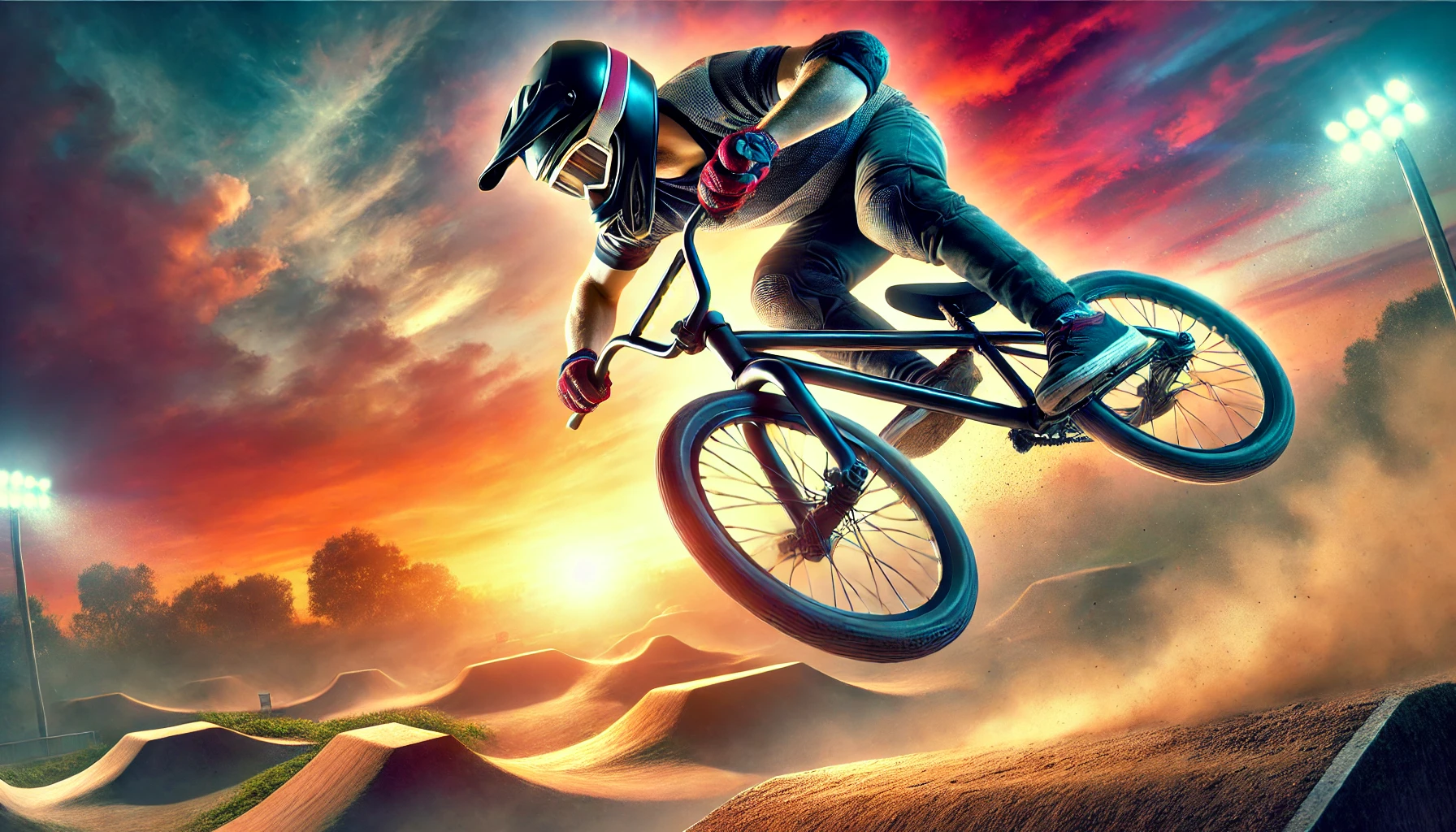
Parents Guide to Getting Kids Started in BMX
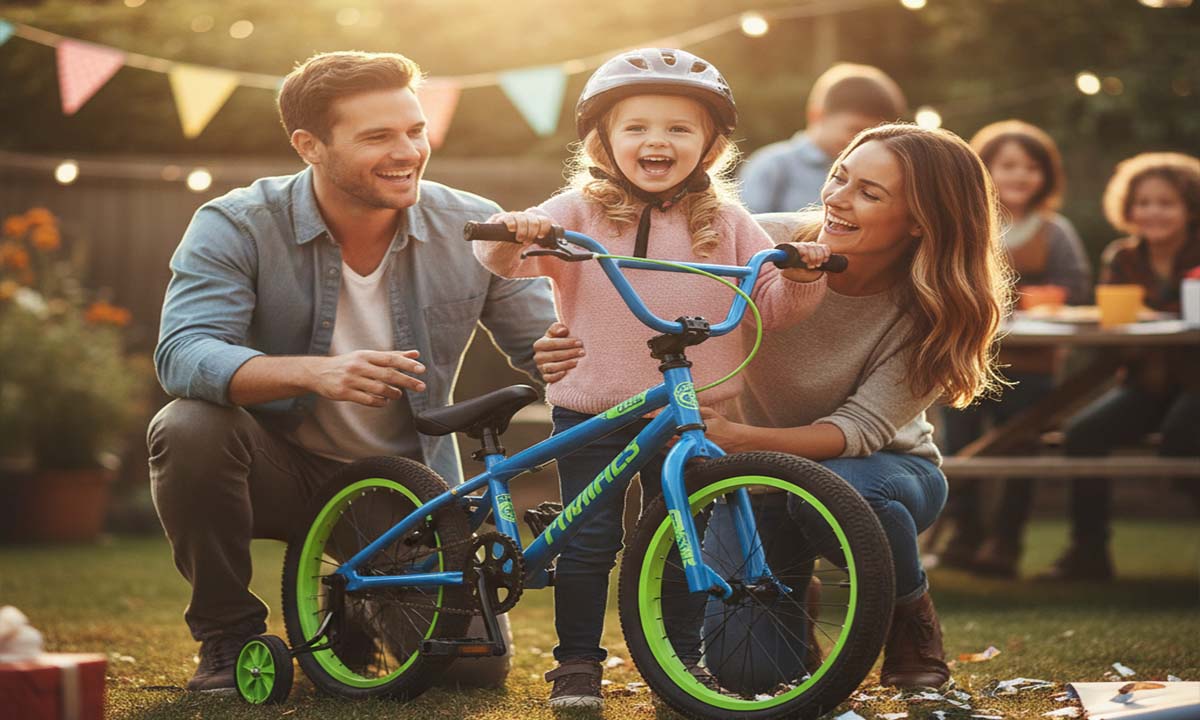
BMX cycling is more than just a hobby for children around the world. It offers a path to an active lifestyle, boosts rider confidence, and fosters a sense of belonging. Supporting a child’s interest in BMX can be a rewarding experience for parents, providing both physical and mental benefits. Introducing young riders to BMX requires careful preparation, from selecting the right bike to ensuring safety gear is used properly.
Quick Overview
BMX for children provides exercise, skill development, and social engagement. This guide covers:
- Choosing the appropriate BMX bike size and type.
- Essential safety gear and practices.
- Locating suitable practice areas and supportive communities.
- Benefits of BMX for physical, social, and emotional growth.
By following these points, parents can help children enjoy BMX safely and confidently while building lasting skills and friendships.
The Global Appeal of BMX for Young Riders
BMX, or Bicycle Motocross, originated in California during the late 1960s, inspired by motocross. Since then, it has grown into a worldwide phenomenon and became an Olympic sport in 2008. BMX is known for its speed, stunts, and challenges on tracks or ramps. It is suitable for children of all skill levels, with racing and freestyle varieties offering different experiences.
For children, BMX encourages movement, creativity, and outdoor engagement. In an era where screen time dominates, BMX offers a dynamic alternative that promotes physical activity while providing opportunities to develop new skills and make friends globally.
Benefits of BMX for Youth Development
BMX offers a range of benefits that extend beyond simply riding a bike. It supports physical health, skill development, and personal growth.
Physical Health Benefits
Cycling is an excellent way for children to stay active. BMX riding improves cardiovascular and respiratory health, strengthens muscles in the legs, arms, and core, and increases overall stamina. Pedaling, balancing, and performing tricks provide exercise in a fun and engaging way that doesn’t feel like routine workouts.
Motor Skills and Coordination
The continuous movement, balance, and maneuvering required in BMX enhance children’s coordination and motor skills. Navigating curves, jumps, and performing tricks develops balance, hand-eye coordination, and reaction time, which are difficult to acquire through many other activities.
Building Confidence and Independence
Every new skill mastered and challenge overcome boosts a child’s confidence. Successfully completing a trick or navigating a track section gives them a sense of accomplishment, encouraging independence and responsibility. Caring for their bike and gear also promotes accountability.
Social Connections
BMX often creates strong community ties. Participating in events or riding with peers teaches teamwork, patience, and leadership. Children can form friendships and connect with other riders and families, finding a welcoming environment where encouragement and support are abundant.
Safety First: Essential Gear and Practices
Safety is the top priority when starting BMX. Proper equipment and knowledge help reduce accident risk.
Helmet
A full-face helmet is required for BMX racing and strongly recommended for all BMX activities. Helmets should fit snugly and meet safety standards such as ASTM or CPSC. This is the most critical piece of protective equipment for young riders.
Protective Gear
In addition to helmets, other gear ensures extra safety:
- Knee and Elbow Pads: Protect against falls and scrapes. Often required by clubs.
- Gloves: Improve grip and protect hands. Mandatory in BMX racing.
- Long-sleeved Shirts and Pants: Protect skin from scrapes during falls.
Ensure all gear fits properly to maintain comfort and control.
Safety Rules
Teach children basic safety rules: observe surroundings, stay alert to other riders, and understand personal skill limits. Begin with simple challenges and increase difficulty gradually.
Choosing the Right BMX Bike
Selecting the correct bike is crucial for both safety and enjoyment.
Bike Size
BMX wheel sizes typically range from 14-inch to 20-inch for children.
- Ages 3-5: 14-16 inch wheels.
- Ages 5-8: 18-inch wheels.
- Ages 8-12: 20-inch wheels, which is the standard BMX size.
Children should be able to stand over the bike with feet flat on the ground. Avoid purchasing a bike that is too large in the hope that the child will “grow into it,” as the correct fit improves control and reduces accidents.
Bike Types
There are two main BMX types: racing and freestyle.
- BMX Race Bikes: Lightweight, designed for speed, no gears.
- Freestyle BMX Bikes: Durable, built for tricks in skateparks or streets.
Beginners can start with either type, depending on interest. Many tracks offer bikes for trial to help children decide.
Quality and Components
Choose a well-made, durable bike. Bikes with sealed bearings provide smoother and more reliable riding experiences. Local bike shops or BMX experts can offer valuable advice on quality options.
Finding a Suitable Practice Environment
Once equipped, children need a safe space to practice.
BMX Tracks and Pump Tracks
Many communities offer dedicated BMX or pump tracks suitable for learning. These areas provide different levels of difficulty, allowing children to progress at their own pace. Local bike shops and community centers can often provide information on nearby tracks.
Classes and Coaching
BMX lessons or coaches help beginners learn essential skills such as balancing, pedaling, braking, and cornering in a controlled environment. Structured guidance accelerates learning and builds confidence.
Start Slowly
Encourage children to begin with simple tasks and gradually progress. Parental guidance and support are essential for creating a safe and enjoyable learning experience.
Promoting Continuous Skill Development
Learning BMX is an ongoing process that requires practice, patience, and enjoyment.
Teaching Basic Skills
Before attempting tricks, children should feel comfortable handling their bikes:
- Balancing: Maintaining stability on the bike.
- Pedaling and Braking: Proper control and stopping techniques.
- Cornering: Navigating turns safely.
- Bunny Hop: A basic jump to develop aerial control.
Encouraging Practice
Regular practice is key to improvement. Begin with short sessions and increase duration gradually, keeping practice enjoyable to maintain interest.
Setting Realistic Goals
Help children set small, achievable goals, such as mastering a trick or completing a track segment. Each success inspires confidence and motivation.
Building a Supportive BMX Community
Being part of a community is one of BMX’s greatest benefits.
Local BMX Clubs
Joining a local BMX club provides coaching, practice opportunities, and a supportive environment for children and families. Clubs also offer a way to meet peers with similar interests.
Participation in Events
Attending local BMX races or events exposes children to diverse skills and encourages interaction with other riders, helping them experience the excitement of the sport.
Active Parental Involvement
Parental support is essential. Encouragement, guidance, and inspiration help children develop their skills while also contributing to the broader BMX community.
Common Questions from Parents
At what age should a child start?
There is no perfect age; children develop at different rates. Many programs recommend starting around ages 5-6 when balance and coordination improve, though some younger children begin with balance bikes.
Is BMX dangerous?
Like any active sport, BMX carries some risk. Proper safety gear and adherence to rules minimize danger, making BMX a safe sport when precautions are taken.
How often should children practice?
Practice should be regular but enjoyable. Short, fun sessions are better than long, exhausting ones. Always listen to the child and allow rest when needed.
BMX offers children opportunities to grow, learn, and enjoy memorable experiences. With preparation, safety, and encouragement, parents can help their children fully benefit from this exciting sport. BMX provides lessons, memories, and a healthy, active lifestyle that can last a lifetime, reflecting its global sport‘s origins.
Related Post
Flexibility Drills for Better Control and Balance on Your Bike
Your bike is only as agile as you are. That’s the blunt truth. No matter [...]
Managing Fear and Building Confidence After a Crash
Crashing is part of BMX. It’s not about avoiding it but learning how to respond [...]