Understanding BMX Frame Geometry for Beginners
BMX Frame Geometry Guide for Beginners
Entering the world of BMX brings excitement, challenge, and steady learning. For new riders, choosing the right bike often feels overwhelming. Frame geometry plays a central role in that decision. The way a BMX frame is shaped and measured affects comfort, control, and confidence from the first ride. A bike that fits both your body and riding style makes learning smoother and riding safer. With the right setup, every pedal stroke feels natural and controlled.
Quick Overview
This guide explains how BMX frame geometry shapes riding experience.
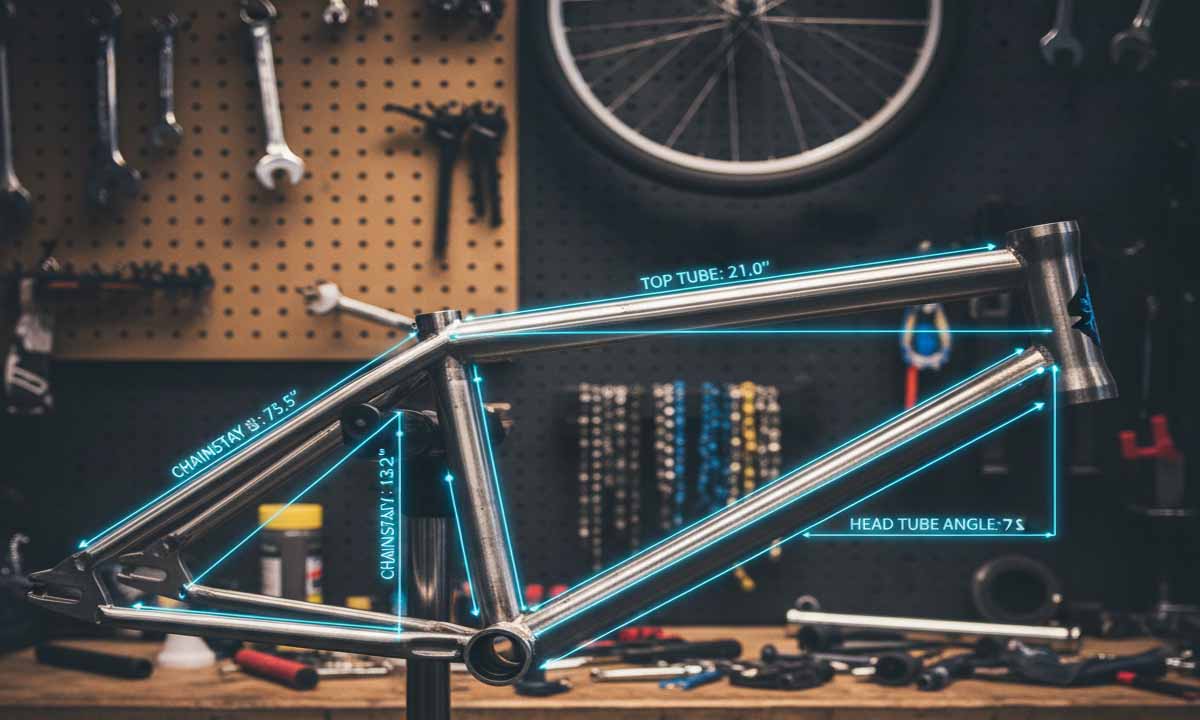
It breaks down key measurements such as top tube length, chainstay length, head tube angle, and bottom bracket height.
Each section connects geometry choices to riding styles like street, park, dirt, and race riding, helping beginners make informed decisions.
Understanding BMX Frame Geometry
BMX frame geometry refers to the measurements and angles that define how a bike feels and responds. Think of it as the structural plan that determines balance, handling, and movement. Geometry goes beyond appearance. Each tube length and angle influences how weight is distributed and how the bike reacts under pressure.
A BMX frame functions like a skeleton. The top tube, down tube, seat tube, and chainstays all work together to create a riding position. These proportions affect stability, agility, and ease of movement. BMX bikes serve different purposes worldwide, from urban street riding to dirt jumps and competitive racing. Each discipline benefits from a specific geometric approach. Learning how geometry works helps riders choose a frame that supports their goals rather than holding them back. The very materials defining a frame are also critical.
Why Frame Geometry Matters
Frame geometry shapes how a BMX bike behaves under real conditions. The right setup improves balance, control, and comfort. Riders progress faster when the bike works with their movements instead of against them.
A frame that suits street riding allows quick turns and smooth transitions. A race-oriented frame provides stability at higher speeds. Geometry influences how confident a rider feels during jumps, landings, and technical maneuvers. Without proper fit, even high-quality components cannot compensate. Understanding geometry allows beginners to choose a bike that supports learning and long-term improvement.
Key Elements of BMX Frame Geometry
Learning frame geometry is similar to learning a new language. Each measurement tells part of the story. Together, they define how the bike performs. Knowing how these elements interact helps riders select a setup that matches both physical build and riding preference.
Top Tube Length
Top tube length measures the distance from the center of the head tube to the center of the seat tube. It strongly influences rider position and overall bike size.
A longer top tube provides more room to move. Taller riders often feel more comfortable with this setup. It also adds stability at speed, which benefits dirt riding and racing. The bike feels planted and predictable.
A shorter top tube creates a compact feel. This setup supports quick movement and sharp control. Riders who focus on street or park riding often prefer shorter top tubes because spins, manuals, and transitions feel easier. Choosing the right length balances comfort with responsiveness.
Chainstay Length
Chainstay length runs from the bottom bracket to the rear axle. It affects how quickly the bike reacts and how easily the front wheel lifts.
Shorter chainstays create a lively ride. Manuals and spins require less effort. Direction changes feel immediate, making this setup popular among street and park riders who need fast reactions in tight spaces.
Longer chainstays improve stability. The bike tracks smoothly at higher speeds and feels calmer during jumps and landings. Dirt and race riders often prefer this feel because control matters more than quick rotation. The right chainstay length depends on whether agility or stability matters most to your riding.
Head Tube Angle
The head tube angle defines how the front fork meets the ground. This angle shapes steering response and overall control.
A steeper head tube angle creates faster steering. The bike responds instantly to input, which supports technical riding and quick adjustments. This setup suits riders who rely on precision and tight movements.
A slacker head tube angle slows steering response and increases stability. The front wheel sits farther forward, improving control during fast descents and large jumps. This angle works well for racing and dirt riding where smooth handling builds confidence.
Seat Tube Angle
Seat tube angle affects rider positioning over the pedals. In BMX riding, the seat plays a smaller role since riders spend most time standing.
A steeper seat tube places weight closer to the bottom bracket. This position supports efficient pedaling and balance. A slightly slacker angle shifts the seat back, giving more room for movement. While this measurement varies less in BMX than in other cycling styles, it still contributes to overall comfort and control.
Bottom Bracket Height
Bottom bracket height measures how high the crank sits above the ground. This measurement changes the bike’s center of gravity.
A higher bottom bracket improves ground clearance. This helps with street riding where ledges, rails, and obstacles are common. Manuals and hops feel easier, though stability at speed may feel reduced.
A lower bottom bracket lowers the center of gravity. This adds stability during fast riding and smooth landings. Race and dirt riders often value this setup because it improves control through turns and uneven terrain. Choosing the right height means balancing clearance with stability.
Standover Height
Standover height measures the distance from the top tube to the ground. It affects comfort and safety when standing over the bike.
Adequate clearance allows riders to step off quickly and safely. BMX frames typically feature low standover heights to support tricks and quick dismounts. While it does not change performance directly, proper standover height builds confidence, especially for beginners.
Matching Geometry to Riding Style
Choosing the right frame geometry depends on how and where you ride. BMX riding styles vary across the globe, and each style benefits from different frame traits.
For street riding, agility matters. Shorter top tubes, shorter chainstays, and steeper head tube angles support quick reactions. Higher bottom brackets improve clearance over obstacles.
For park riding, balance is key. Medium-length top tubes and chainstays offer a mix of control and movement. Steering angles often sit between aggressive and stable to support aerial tricks and smooth landings.
For dirt riding and racing, stability takes priority. Longer top tubes and chainstays, combined with slacker head tube angles, improve control at speed. Lower bottom brackets help the bike stay grounded through turns and jumps.
No single geometry fits every rider. Body size, comfort preferences, and long-term goals all play a role. Trying different setups when possible helps riders understand what feels right.
Common Mistakes Beginners Should Avoid
New riders often focus on appearance instead of fit. A bike may look appealing but feel uncomfortable or hard to control. Function and fit should guide the decision.
Another mistake involves relying only on numbers. Geometry charts provide guidance, but real-world feel matters. Frame material, component quality, and weight distribution also influence performance.
Growth matters as well. Younger riders should consider current fit while planning for future changes. A frame that allows some adjustment can extend usability.
Seeking advice helps. Experienced riders, local bike shops, and riding communities offer practical insight. Learning from others reduces costly mistakes and improves long-term satisfaction.
Why Geometry Knowledge Builds Better Riders
Understanding BMX frame geometry gives riders control over their choices. Instead of guessing, beginners gain clarity about what supports their progress. Geometry influences comfort, safety, and confidence across all riding environments worldwide. The foundational principles of bicycle frame design, from which BMX frames evolved, have been refined over more than a century.
A bike that fits well encourages practice and reduces frustration. Over time, this leads to stronger skills and deeper enjoyment. Knowing how geometry works turns a simple purchase into a thoughtful investment in your riding journey.
The right BMX frame does more than carry you forward. It supports growth, confidence, and the joy of riding with purpose.
Related Post
How to Diagnose and Fix Annoying Bike Creaks
How to Find and Fix Bicycle Noises for a Smoother Ride Unwanted bicycle noises can [...]
Learning Barspins: Common Mistakes and How to Fix Them
Ever seen someone throw a barspin so smoothly it looks effortless? It’s one of those [...]