Building a Custom BMX vs Buying a Complete Bike
Choosing Between Custom BMX Builds and Complete Bikes
Deciding whether to build a custom BMX bike or buy a complete model is a major choice for riders at any level. This decision shapes how a bike feels on the ground, how much money is spent, and how closely the setup reflects personal style. For instance, material choices affect feel and durability, influencing your riding experience. Both paths offer real advantages. Understanding how they differ helps riders make a choice that fits their goals, riding habits, and expectations.
A complete BMX bike offers convenience, predictable cost, and quick access to riding. It suits beginners and riders who want a ready-made option with balanced performance.
A custom BMX build allows full control over parts, geometry, and feel. It costs more and takes time, yet delivers a bike shaped around specific riding styles and long-term use.
Starting Out With a Complete BMX Bike
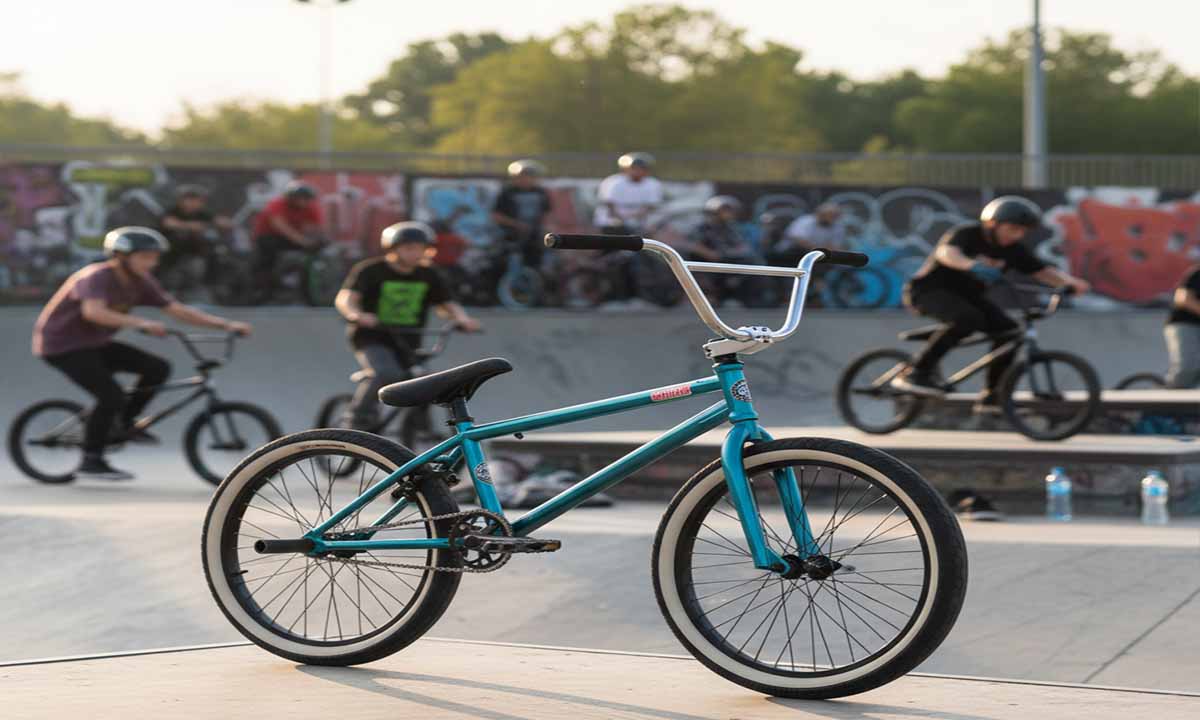
A complete BMX bike comes assembled with all core components selected by the manufacturer. Frames, wheels, drivetrain, and cockpit parts are designed to work well together straight from the shop. For many riders, especially those new to BMX, this simplicity makes complete bikes a practical entry point.
Manufacturers design these bikes to handle common riding situations. They aim for durability, balanced geometry, and dependable parts. Riders can focus on learning skills rather than worrying about setup details or compatibility.
Why Many Riders Choose Complete Bikes
One clear advantage of a complete BMX bike is cost control. Buying a full bike usually costs less than sourcing parts individually. Brands purchase components in large volumes, which lowers overall pricing. This makes complete bikes accessible to riders with limited budgets.
Convenience also plays a strong role. Once purchased, the bike is almost ready to ride. Basic adjustments like seat height or brake alignment are often all that is needed. Riders can head straight to the park, street spot, or dirt track without delays.
Another strength lies in proven design. Established BMX brands test their complete bikes for strength and consistency. Parts are selected to complement one another, reducing the risk of weak points. For beginners and intermediate riders, this reliability builds confidence during early progress.
Complete bikes also cover a wide range of rider levels. Youth models, entry-level setups, and mid-range options exist across the global market. This variety allows riders to choose a bike that matches height, age, and early riding goals.
Limits of Complete BMX Bikes
Despite their strengths, complete bikes do come with trade-offs. Customization options remain limited at purchase. Riders receive the components chosen by the brand, not by personal preference. Over time, some parts may feel mismatched with evolving riding style.
Performance tends to follow a general-purpose approach. Complete bikes aim to serve many riders, not one specific niche. A street-focused rider may want shorter rear ends or wider bars, while park riders may prefer lighter wheelsets. These details are rarely perfect for everyone out of the box.
As skills improve, riders often replace parts. Upgrading handlebars, cranks, or wheels adds cost later. While upgrades can improve performance, the combined expense may approach that of a custom build over time.
Building a Custom BMX Bike From the Ground Up
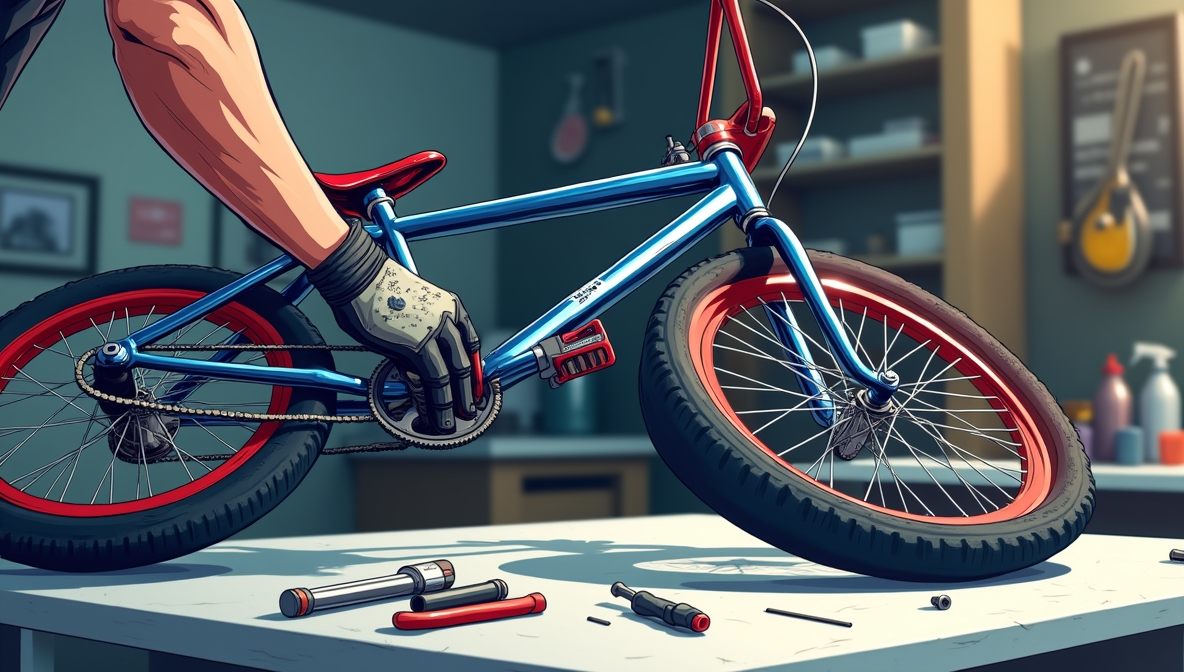
A custom BMX build involves selecting every component individually. Frame geometry, material choices, wheel size, and drivetrain setup are all chosen by the rider. This process suits those with clear preferences and a willingness to invest time and effort.
Custom builds reflect intention. Each part serves a purpose linked to riding style, terrain, and personal comfort. Riders who value precision often find this approach rewarding.
Reasons Riders Choose Custom Builds
Personal expression stands at the center of custom BMX builds. Riders control colors, finishes, bar shapes, and component brands. The final bike becomes a visual and functional reflection of individual taste.
Performance tuning also drives interest in custom setups. Street riders may favor reinforced frames, pegs, and guards. Park riders often select lighter components for aerial control. Dirt riders may focus on stability and shock absorption. Understanding component choices for tuning like hub types can significantly impact performance. Custom geometry allows fine adjustments that influence balance and responsiveness.
Quality plays a long-term role. Custom builds often use higher-grade materials and components. While the initial price is higher, these parts tend to last longer under demanding use. Riders who stay committed to BMX may spend less on replacements over time.
The building process itself offers education. Learning how parts interact builds mechanical knowledge. Riders gain confidence in maintenance and repairs, which proves useful during travel or competition.
Ownership pride adds another layer. Riding a bike assembled by hand brings satisfaction that cannot be replicated by store-bought models. Every successful trick feels connected to the choices made during the build.
Challenges of Custom BMX Builds
Cost presents the biggest barrier. Purchasing parts separately adds up quickly. Frames, forks, wheels, and cranks each carry significant price tags. For many riders, budgeting becomes a long-term process.
Knowledge requirements also increase. Compatibility between frame standards, bottom brackets, hubs, and forks must be checked carefully. Mistakes can lead to delays or extra expenses.
Time commitment matters as well. Researching parts, waiting for deliveries, and assembling the bike takes patience. Some riders enjoy this pace, while others prefer immediate riding.
Fit issues may arise if measurements are misjudged. Incorrect geometry choices affect comfort and handling. Riders new to custom builds often seek advice from experienced builders to avoid setbacks.
Understanding Cost and Long-Term Value
Complete BMX bikes usually offer lower entry prices. Many solid models fall within accessible price ranges, making them attractive to new riders worldwide. These bikes provide dependable performance for learning and casual riding.
Custom builds require higher starting budgets. Even modest builds often exceed the price of mid-range complete bikes. However, this cost reflects component quality and tailored performance.
Long-term value depends on riding commitment. Riders who stay active for years may benefit from durable custom setups that need fewer replacements. Casual riders may find complete bikes sufficient without added expense.
Resale value also differs. Custom bikes appeal to niche buyers who appreciate specific builds. Complete bikes often sell faster due to broader appeal, though at lower resale prices.
Performance and Riding Style Impact
BMX performance depends heavily on how a bike feels beneath the rider. Complete bikes offer balanced handling. They suit skill development, general riding, and mixed terrain use.
Custom builds shine when riding style becomes defined. Street-focused setups may feature shorter chainstays and reinforced tubing. Park bikes often prioritize lighter frames and responsive steering. Dirt setups may lean toward stability and smoother landings.
Fine adjustments such as top tube length, bar rise, and fork offset affect comfort and trick execution. Custom builds allow riders to match these details to body proportions and riding habits.
Confidence grows when a bike responds predictably. Riders often progress faster when equipment supports their movement rather than limits it.
Learning Through Riding and Building
BMX culture values progression and shared knowledge. Riders who choose complete bikes often spend more time riding and less time adjusting equipment. This suits those focused on skill growth.
Custom builders gain insight through hands-on experience. Understanding materials, stress points, and geometry builds respect for the craft. This knowledge strengthens connection to the global BMX community.
Sharing build experiences, part choices, and lessons learned strengthens rider networks. These exchanges foster growth beyond local scenes, linking riders across regions and disciplines. This collective passion and knowledge are central to the broader BMX world, ensuring the sport’s rich heritage continues to thrive globally.
Which Option Fits Different Riders
For beginners, complete BMX bikes offer an accessible start. They allow quick learning without technical pressure.
Riders with tight budgets often benefit from complete setups. They provide functional performance without large upfront spending.
Those seeking simplicity and fast access to riding usually prefer complete bikes.
Experienced riders with clear preferences may lean toward custom builds. Tailored setups support advanced tricks and specific terrain.
Riders interested in visual identity and long-term equipment investment often choose custom builds.
Anyone willing to study components and invest time may find the building process deeply rewarding.
A Thoughtful Choice That Shapes the Ride
Choosing between a custom BMX build and a complete bike reflects personal priorities. Complete bikes offer ease, value, and reliability. Custom builds provide control, precision, and individuality. Both paths support growth, enjoyment, and connection within BMX culture. The right choice encourages consistent riding and keeps the experience meaningful with every pedal forward.
Related Post
Getting Back into BMX as an Adult
Returning to a hobby that once brought joy feels like revisiting an important chapter of [...]
Buying a Used BMX Bike Without Getting Scammed
Getting into BMX brings excitement, challenge, and a sense of discovery. Many riders around the [...]