Buying a Used BMX Bike Without Getting Scammed
Getting into BMX brings excitement, challenge, and a sense of discovery. Many riders around the world begin with a pre-owned bike because it provides an affordable entry point into basic BMX tricks and community riding. At the same time, the hunt for a good second-hand deal comes with its own set of risks. Some bikes may have hidden issues, while others may be offered by sellers who are not fully transparent. A careful approach ensures safety and confidence, especially for beginners.
Before diving deeper, here is a short overview of what this guide offers.
Choosing a pre-owned BMX can be rewarding when you know what details matter. This guide explains how to assess your riding needs, evaluate the different types of BMX bikes, and research reliable price ranges. You will also learn where to shop, how to inspect each component, and how to communicate clearly with sellers. Practical reminders and safety tips are included to help you avoid scams and protect your money.
Understanding Your Needs Before Buying
People buy and sell BMX bikes for various reasons. Some upgrade to newer models, while others switch to a different riding style. There are also riders who stop due to changes in schedule or lifestyle, creating opportunities for buyers to find solid deals. A pre-owned BMX can deliver excellent performance at a lower cost, provided the bike has been properly maintained.
Problems usually arise when structural issues or worn-out components are not immediately visible. Deep rust, cracks, or heavily abused bearings can lead to expensive repairs. There are also cases where stolen bikes end up online. Taking time to evaluate a bike thoroughly avoids these risks and helps ensure a safe riding experience.
Types of BMX Bikes and Choosing the Right Fit
Each type of BMX bike is built for a specific riding environment. Knowing these differences narrows your search and prevents mismatched purchases.
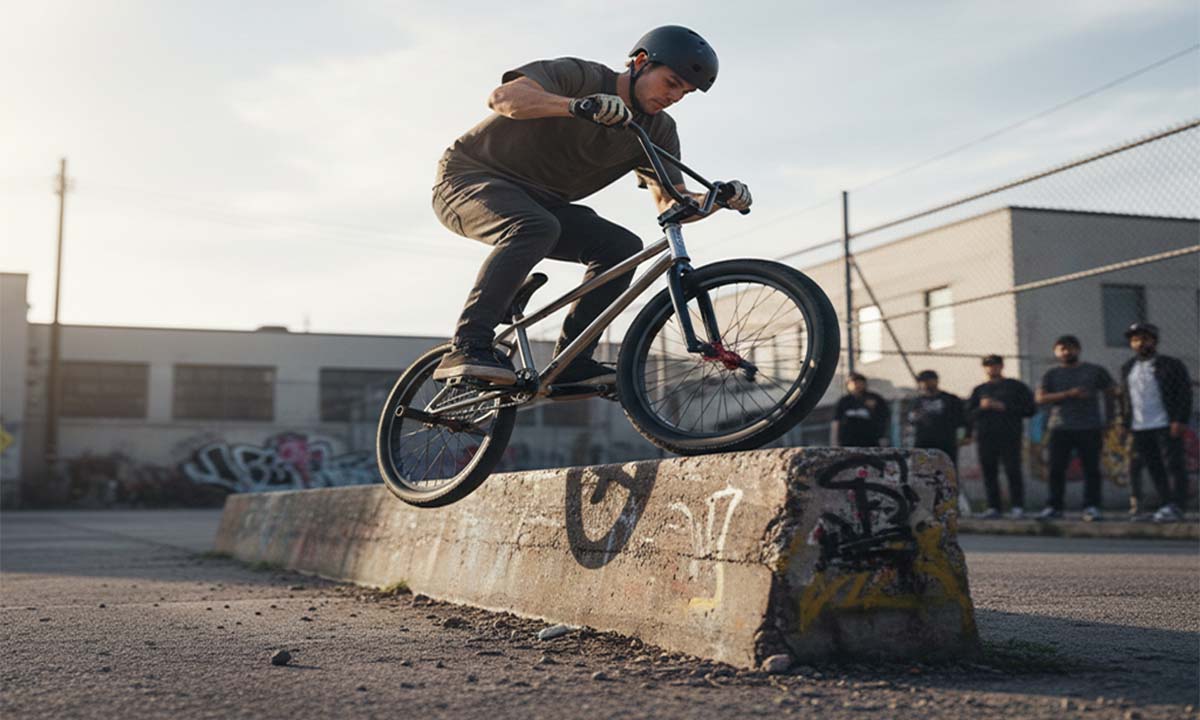
Street bikes are made for urban riding with obstacles like ledges, rails, and concrete blocks. They usually have strong frames designed to withstand constant impact. Park bikes, on the other hand, are meant for ramps, bowls, and transitions. They feel lighter and more responsive compared to other categories. Dirt jump bikes are designed for soil jumps and come with heavier frames and larger tires for stability on loose terrain. Race bikes are lightweight and optimized for speed on competitive tracks.
Your riding environment shapes your experience. A rider focused on dirt trails will feel limited on a frame meant for racing. Choosing the right category supports both safety and long-term enjoyment.
Research as Your First Line of Protection
Good preparation prevents bad purchases. Studying prices, understanding common issues, and learning about respected brands makes it easier to recognize fair offers. Many well-known BMX brands such as Cult, Haro, Fitbikeco, Sunday, WeThePeople, and Kink have earned strong reputations for durability. Even so, reputation alone is not enough. A bike from a good brand can still perform poorly if it has been heavily used or improperly maintained.
Online communities and BMX groups also provide valuable insight. Riders frequently post reviews, personal experiences, and recommendations, which can guide your choices.
Understanding fair pricing is equally important. Similar models can vary depending on age, condition, and components. A bike with straight rims, well-maintained bearings, and minimal wear naturally costs more than one requiring repairs. Upgraded parts like cranks or hubs can raise the price, while unusually cheap listings may signal hidden problems or unauthorized ownership.
Where to Look for Pre-Owned BMX Bikes
Most buyers search through online platforms or local sellers. Online marketplaces and social media groups offer a wide selection and convenient browsing. However, this convenience comes with more exposure to dishonest listings. Profiles with limited activity, missing details, or unclear photos require extra caution. Always request recent photos, ask for multiple angles, and try to get a short video showing the bike in use. These steps help you avoid unnecessary meetups.
Local bike shops are usually more reliable because many of them inspect their pre-owned bikes before offering them for sale. The selection may be smaller, but the chances of finding a well-maintained bike are higher. Rider meetups, local gatherings, and swap events also provide opportunities. Sellers in these settings are often riders themselves, making them more likely to give honest feedback about the bike’s history.
Inspecting the Bike: Step-by-Step Guide
- Check the frame and fork for cracks, dents, bends, or misalignment. Pay close attention to welds at the head tube, bottom bracket, and dropouts.
- Inspect the wheels by spinning them to see if they wobble. Examine the rims for dents, verify spoke tightness, and check tire condition.
- Rotate the cranks to listen for grinding sounds and check for side movement. Look for cracks in the pedals or worn-out spindles.
- Examine the handlebars and stem for bends or cracks. Ensure the stem grips securely without slipping.
- Test the brakes if installed. Confirm that cables are not frayed and that the stopping power is adequate.
- Check the chain and sprockets for rust, tight links, or worn teeth.
- Evaluate the bearings in the headset, hubs, and bottom bracket by rotating and gently shaking components.
- Take a short test ride to feel for odd noises, handling issues, or discomfort.
Communicating Clearly With Sellers
Clear communication reduces misunderstandings and helps confirm the bike’s condition. Ask how long the seller has owned the bike and why they are selling it. Inquire about past repairs, servicing history, and whether the components are original or replaced. It also helps to ask what type of riding the bike was used for. Straightforward answers build trust, while vague or evasive responses may indicate potential issues. You may also request close-up photos or short videos if something seems unclear.
Avoiding Scams and Staying Safe
Protecting yourself during the transaction is essential. Avoid paying anything before physically inspecting the bike. Scammers frequently use photos taken from other listings. Understanding common online scams can help protect your investment. Payments should only occur after you’ve confirmed the condition in person. When meeting a seller, choose a safe public place such as a well-lit parking area, a police station frontage, or a busy mall entrance. Bringing a friend adds security and provides an extra set of eyes during the inspection.
Related Post
Getting Back into BMX as an Adult
Returning to a hobby that once brought joy feels like revisiting an important chapter of [...]