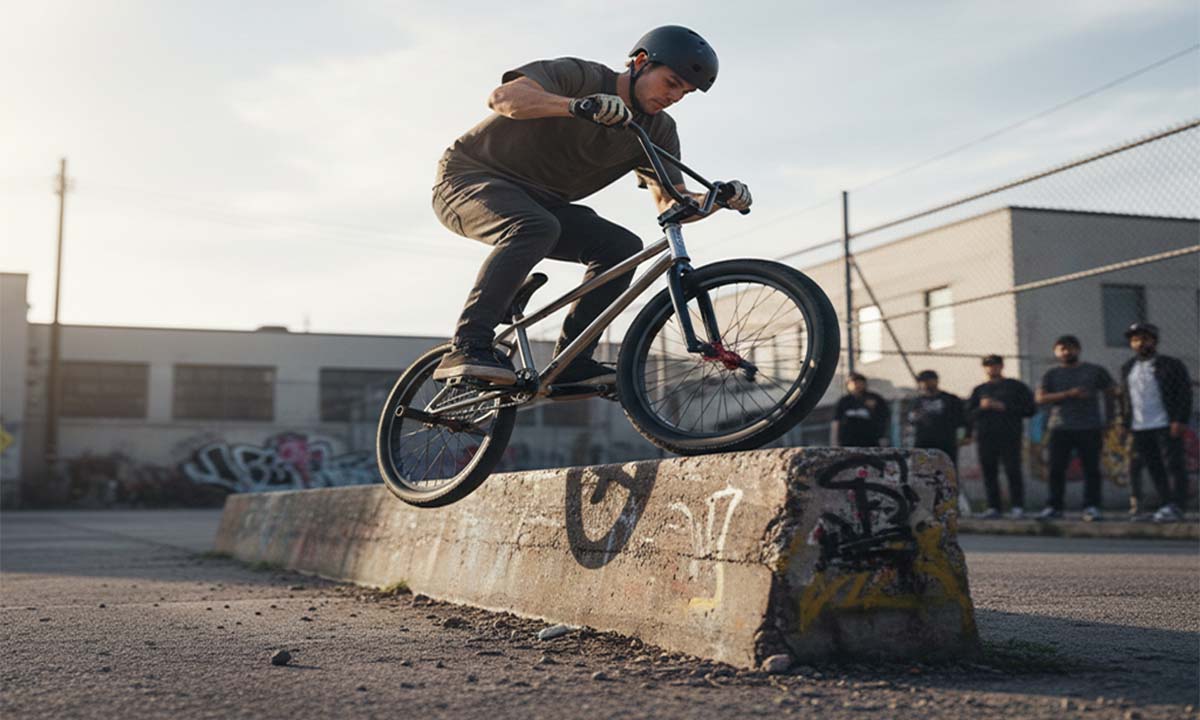
Left Side Drive vs Right Side Drive Explained
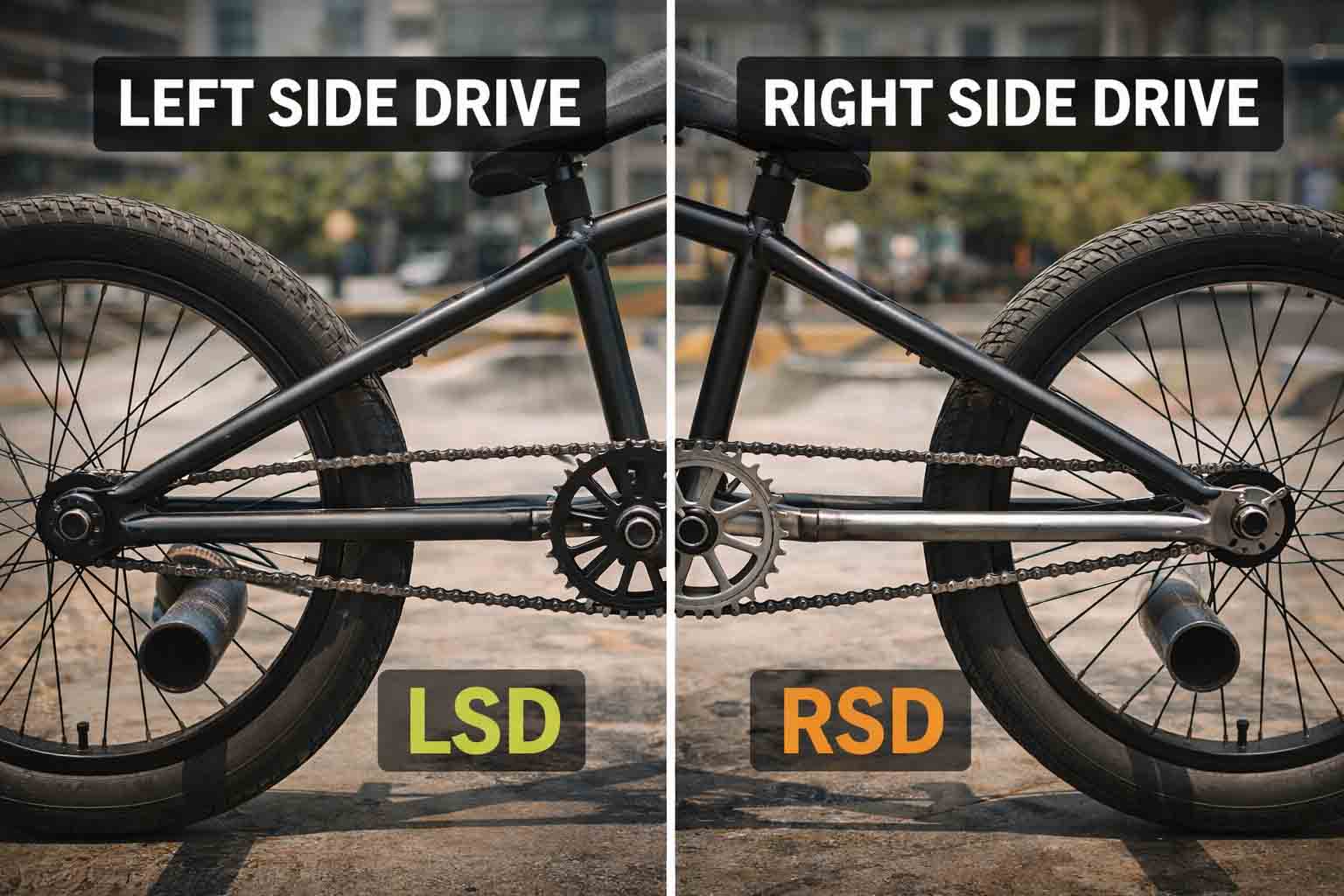
Every BMX rider knows that small mechanical details can shape the entire riding experience. The side where your sprocket and chain sit may seem minor, yet it affects durability, maintenance habits, and how you build riding confidence during tricks. Riders across the world, from dense urban streets to local skate parks, often face one key decision: Left Side Drive or Right Side Drive.
This choice reflects how you ride, where you ride, and how you protect your equipment from wear. Understanding the difference helps riders choose setups that match their habits and reduce unnecessary damage, emphasizing the importance of proper bike maintenance.
- Left Side Drive places the sprocket and chain on the left side. Many street riders choose it for protection during right-side grinds.
- Right Side Drive is the traditional setup used on most bicycles. It offers easier maintenance and broader parts availability.
- The best choice depends on riding style, access to parts, and personal preference.
Riding environments vary widely across regions. Street riders often interact with rails, ledges, and concrete edges. Park riders focus on ramps and smooth transitions. Dirt riders prioritize stability during jumps. Each environment affects how exposed the drivetrain becomes during daily riding.
Understanding the Drive System in BMX
The drive system transfers pedaling energy into forward motion. In BMX bikes, this system includes the cranks, chain, sprocket, and rear hub. The difference between Left Side Drive and Right Side Drive lies in where these components are positioned.
Right Side Drive places the sprocket and chain on the right side of the frame. This layout has long been standard across bicycle design. Manufacturing history and rider familiarity helped establish it as the dominant configuration.
Left Side Drive positions these components on the left side. This setup requires specially designed hubs and compatible crank arms. It is not simply a reversed installation. Each component must be built for left-side operation to maintain proper alignment and performance.
Many riders first notice this distinction when upgrading parts or customizing their bikes. Once understood, the difference becomes a practical factor rather than a technical curiosity.
Why Drive Side Choice Matters
Drive side selection directly affects durability. A rider performing frequent right-side grinds with a Right Side Drive exposes the sprocket to impact. Repeated contact can damage teeth, weaken the chain, and lead to mechanical problems.
Consider a rider practicing rail tricks in a busy city skate spot. Even a small misalignment during a grind can push the sprocket into metal or concrete. Over time, minor impacts accumulate and shorten component lifespan.
Weight distribution also plays a subtle role. Moving drivetrain components to the opposite side slightly changes balance. Some riders notice differences in pedaling feel or comfort depending on foot dominance.
Maintenance is another practical factor. Standard configurations simplify repairs because compatible parts are widely available. Alternative setups may require planning and careful part selection.
Right Side Drive: Traditional and Widely Supported
Right Side Drive remains the most common BMX configuration worldwide. Its popularity stems from mechanical familiarity and easy access to replacement parts.
Many riders begin with this setup because it matches most bicycles they have used before. This familiarity simplifies learning maintenance and reduces adjustment time. Bike shops around the world routinely stock compatible components.
Right Side Drive suits riders focused on park riding, dirt jumping, or freestyle with minimal grind exposure. It delivers reliable power transfer across different riding conditions.
Strengths of Right Side Drive
- Replacement parts are widely available.
- Installation and servicing procedures are well known.
- Riders transitioning from other bicycles adapt quickly.
- A broad range of compatible components exists.
These strengths make Right Side Drive a practical choice for riders who value convenience and predictable maintenance.
Limitations of Right Side Drive
The main limitation is sprocket exposure during right-side grinds. Frequent contact increases wear and raises the risk of sudden damage. Many riders use sprocket guards to reduce impact, though guards add weight and may affect setup preferences.
Left Side Drive: Protection for Technical Riding
Left Side Drive developed to address the needs of aggressive street riders. By relocating the drivetrain, it reduces exposure during right-side grinds and slides.
Riders who regularly grind on the right side gain immediate protection. The sprocket and chain remain farther from impact surfaces. This setup can extend component lifespan and reduce repair frequency.
Confidence plays a major role. Knowing the drivetrain is less exposed allows riders to attempt technical tricks with fewer mechanical concerns. For many street riders, this freedom supports progression.
Strengths of Left Side Drive
- Reduced sprocket exposure during right-side grinds.
- Potential for longer drivetrain lifespan.
- Greater confidence for technical street riding.
- Distinct visual appearance preferred by some riders.
Limitations of Left Side Drive
Left Side Drive relies on specialized components. Not all manufacturers produce compatible hubs and cranks. Riders may need to search more carefully for replacement parts.
Costs may be higher due to lower production volume. Riders accustomed to traditional setups may also require time to adjust to the different configuration.
Protection also shifts rather than disappears. While the sprocket gains safety during right-side grinds, it becomes more exposed during left-side contact.
Mechanical Differences Between Configurations
Switching drive sides involves more than moving components. Each configuration requires compatible parts designed for a specific orientation.
Rear hubs represent the core difference. A Right Side Drive hub cannot simply be reversed. Internal mechanisms are built for a particular side. Conversion requires a hub designed for the intended orientation.
Crank arms vary as well. Some support only one drive orientation, while others allow mounting on either side. Choosing compatible crank arms prevents alignment problems and maintains proper chain tension.
Chain compatibility remains mostly universal. Standard BMX chains function with either setup when properly adjusted.
Understanding these mechanical relationships helps riders avoid costly mistakes during upgrades.
Global Availability and Equipment Trends
Equipment trends often reflect riding environments. Regions with strong street riding communities show greater adoption of Left Side Drive setups. Areas focused on park or dirt riding often retain traditional configurations.
Online retail has improved global access to specialized parts. Riders can now choose configurations that were once difficult to obtain locally.
Despite growing interest in alternative setups, Right Side Drive remains dominant in production and availability. Riders prioritizing convenience often favor this option, reflecting a broader trend in the evolution of bicycle design and standardization.
Factors to Consider Before Choosing a Drive Side
Riding style remains the most important factor. Frequent grind direction directly influences drivetrain exposure. Riders benefit from evaluating their habits honestly.
Part availability affects long-term maintenance. Easy access to replacement components reduces downtime and simplifies repairs.
Budget also matters. Specialized parts may increase initial cost and replacement expenses.
Comfort and balance are personal considerations. Some riders notice subtle differences in pedaling feel depending on drivetrain placement.
Switching from One Drive Side to Another
Changing drivetrain orientation requires compatible components and careful installation. The rear hub typically requires replacement to match the new drive side.
Crank compatibility must also be verified. Dual-compatible crank arms may allow conversion without replacement. Single-orientation crank sets require swapping.
Chain tension must be properly adjusted after installation. Correct tension prevents skipping and uneven wear.
Conversion represents a significant mechanical change. Riders unfamiliar with drivetrain work may benefit from professional assistance.
Personal Expression Through Bike Setup
BMX culture values individuality. Equipment choices reflect riding philosophy and local influences. Drive side selection becomes part of that identity.
Some riders prefer traditional simplicity and easy maintenance. Others prioritize protection and adaptability for technical riding. Neither choice defines skill or commitment.
A rider practicing daily street sessions may prioritize durability. Another rider focused on park riding may value familiarity and convenience. Both approaches represent thoughtful adaptation to riding conditions.
Bike setup becomes an extension of movement. Confidence grows when equipment aligns with riding habits and environment.
Core Takeaway for BMX Riders
The choice between Left Side Drive and Right Side Drive shapes durability, maintenance experience, and riding confidence. By evaluating riding style, environment, and access to parts, riders can select a setup that supports long-term performance and enjoyment.
Related Post
How to Maintain Your BMX Bike Like a Pro
Keeping your BMX bike in peak condition requires consistent care, attention to detail, and the [...]