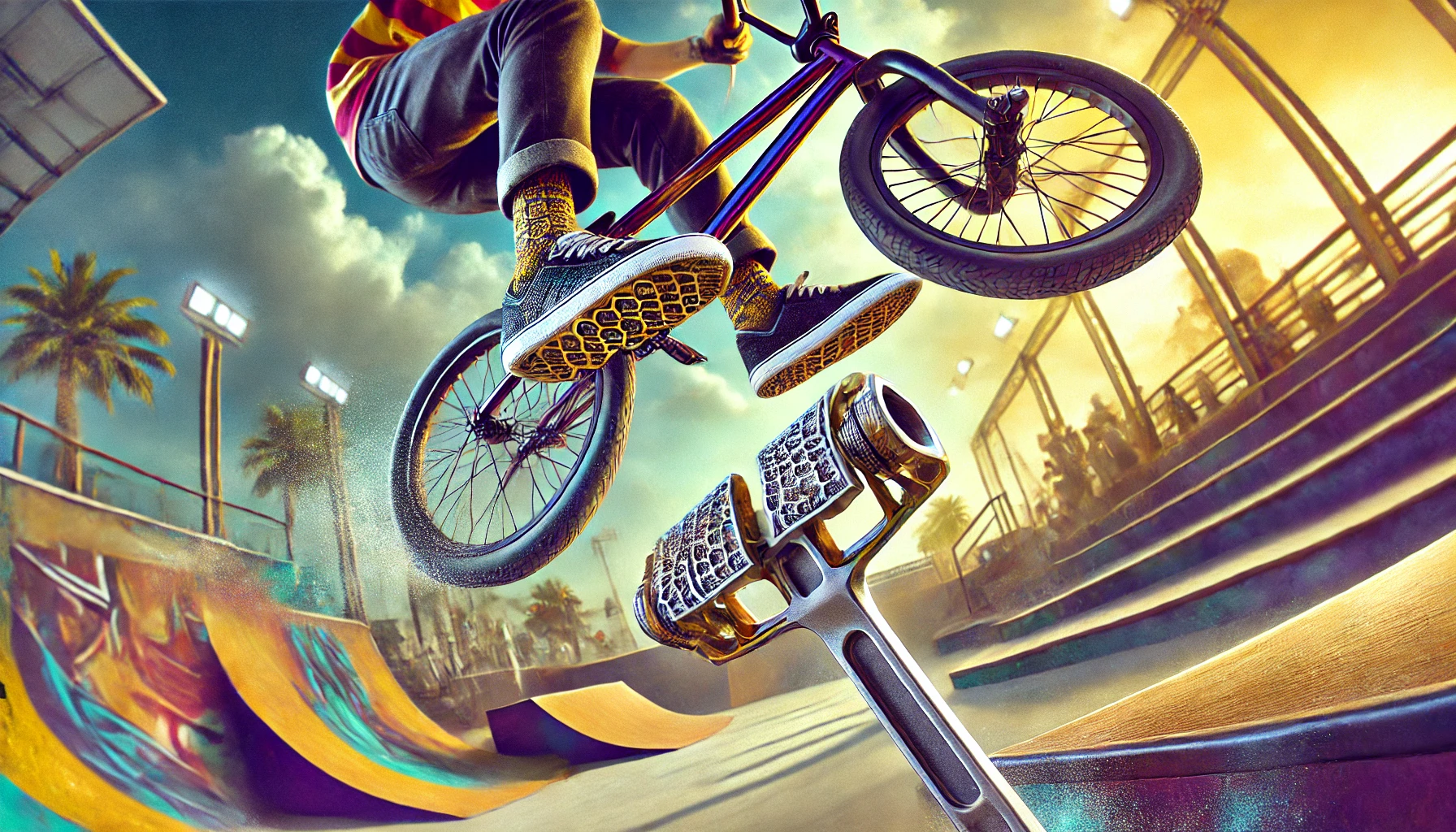
Optimal Tire Pressure for Street Park and Dirt

Right BMX Tire Pressure for Street, Park, and Dirt Riding
Riders across the globe know that small adjustments can change the feel of a BMX bike in a big way. Tire pressure is one of those details that shapes speed, control, and confidence on any terrain. Whether someone rides smooth city pavement, flows through concrete bowls, or hits packed dirt trails, the amount of air inside the tires directly affects performance and safety. A properly inflated tire rolls differently, lands differently, and responds differently to every movement of the rider. Developing mental tricks to improve your ride often goes hand-in-hand with understanding these technical details.
Why Tire Pressure Matters in BMX Performance
Tire pressure is not just a technical setting. It shapes how the entire bike responds to the rider. When the pressure is correct, the tires absorb impact properly, maintain grip, and roll efficiently. Each pedal stroke transfers energy smoothly into forward motion. When the pressure is off, the bike may feel unstable, slow, or difficult to control.
Imagine landing a jump with tires that are too soft. The rim may strike the ground, increasing the risk of damage or puncture. Now imagine tires that are too hard. The bike may bounce on landing and lose traction. The rider has less control in both cases. The right pressure creates balance between responsiveness and comfort.
Tire pressure also affects safety. Low pressure increases the chance of pinch flats. This happens when the inner tube gets compressed between the rim and the ground. High pressure can reduce traction, especially on slick surfaces. Maintaining proper pressure reduces mechanical stress on the tire and rim, which can extend the lifespan of both components. Learning how to maintain your BMX bike like a pro includes paying attention to these small but crucial details. Proper inflation also helps prevent common BMX injuries that can sideline a rider. Across different regions and riding communities, experienced BMX riders treat tire pressure as part of regular bike setup. They adjust it based on terrain and riding style rather than relying on one fixed number.
General Tire Pressure Guidelines for BMX
There is no universal pressure that works for every rider. BMX riding involves different surfaces and techniques, so the optimal range depends on how and where the bike is used.
Hard surfaces usually benefit from higher pressure because firm tires roll faster and resist deformation. Mixed surfaces require balance. Loose terrain requires more flexibility in the tire to maintain contact with the ground.
Many BMX tires include a recommended PSI range printed on the sidewall. This range provides a safe starting point. Riders then fine tune pressure based on feel and performance.
Optimal Tire Pressure for Street Riding
Street BMX often involves ledges, rails, stairs, and hard landings. Riders need fast rolling speed and strong support during impact. Higher tire pressure typically works best for this environment.
Firm tires reduce rolling resistance on concrete and asphalt. The bike accelerates faster and maintains speed more efficiently. This helps riders generate momentum for tricks and transitions. For example, a rider approaching a ledge needs steady speed to complete a clean jump. Proper pressure supports that movement.
Higher pressure also reduces the risk of pinch flats. Street riding includes sharp edges and heavy landings. A firm tire provides a stronger barrier between the rim and the surface. This added protection can prevent sudden tire failure during tricks.
Control improves as well. A firm tire responds quickly to steering input. Riders can position the bike more precisely when performing technical movements. This responsiveness builds confidence during complex maneuvers.
However, pressure that is too high can make the ride harsh. Vibrations travel more directly through the bike. Traction may decrease on wet or dusty surfaces. Most street riders operate within a range of about 80 to 110 PSI, adjusting slightly based on weight and preference.
Optimal Tire Pressure for Park Riding
Park riding combines speed, flow, and smooth transitions. Surfaces may include concrete bowls, ramps, and curved walls. Riders need both grip and rolling efficiency.
Moderate to moderately high pressure often provides the best balance. Tires remain firm enough for speed while still absorbing some impact during landings. This helps riders maintain momentum through ramps and curved sections.
In a bowl, the rider depends on traction to hold a line along the curved surface. Slight flexibility in the tire helps maintain contact with the ground. Too much firmness may cause sliding. Too little firmness may slow the bike during transitions.
Park riding also involves repeated jumps. Proper pressure reduces strain on arms and legs by softening impact. Riders can sustain longer sessions with less fatigue.
Typical pressure for park environments ranges from about 60 to 85 PSI. Adjustments depend on tire design and riding intensity. Some riders prefer slightly higher pressure for speed. Others reduce pressure for comfort and grip.
Optimal Tire Pressure for Dirt and Trail Riding
Dirt riding presents a different challenge. Surfaces may include loose soil, packed earth, sand, or uneven terrain. Grip becomes the priority.
Lower tire pressure increases the contact area between tire and ground. The tire molds slightly to the terrain. This improves traction and stability, especially on loose or uneven surfaces.
For example, when climbing a dirt incline, a softer tire maintains better contact with the ground. The rider gains control and reduces slipping. On rough trails, the tire absorbs small bumps before they reach the rider, creating a smoother experience.
Lower pressure also improves comfort during long sessions. The tire acts as a natural shock absorber. This reduces fatigue and helps maintain control during rapid terrain changes.
However, pressure that is too low increases rolling resistance. The bike may feel slower and less efficient. There is also greater risk of rim impact on sharp obstacles. Most dirt riders choose a range between 35 and 55 PSI, adjusting based on terrain firmness.
Key Factors That Influence Tire Pressure
Several elements affect how tire pressure should be set. Understanding these variables helps riders make informed adjustments.
- Rider Weight
Heavier riders generally require higher pressure for support. Lighter riders can often use lower pressure without compromising performance. - Tire Width and Design
Wider tires contain more air volume and can operate at slightly lower pressure. Narrower tires often require higher pressure for stability. - Rim Strength
Stronger rims tolerate lower pressure without damage. Lightweight rims benefit from slightly higher pressure for protection. - Terrain Conditions
Wet or loose surfaces may benefit from reduced pressure to increase grip. Smooth, hard surfaces favor firmer tires.
Each factor interacts with the others. Riders often make small adjustments until the bike feels balanced and predictable.
How Tire Pressure Affects Speed and Efficiency
Rolling efficiency depends heavily on tire deformation. When a tire compresses too much, energy is lost with each rotation. Higher pressure reduces deformation and improves speed on smooth surfaces.
On rough terrain, moderate flexibility can actually improve efficiency. The tire maintains better contact with the ground, allowing smoother forward motion. This balance explains why different terrains require different pressure ranges.
Professional riders frequently adjust tire pressure depending on session goals. A rider practicing technical tricks may choose control over speed. Another rider focusing on flow may prefer efficiency.
Impact on Handling and Control
Handling depends on how the tire interacts with the surface. Proper pressure keeps the tire stable during turns and landings. Riders experience predictable feedback through the bike frame.
Excessively firm tires reduce grip during turns. Excessively soft tires may feel unstable. Balanced pressure allows precise steering input and consistent response.
Control becomes especially important during high speed movement. Riders rely on predictable tire behavior to maintain stability. Small pressure adjustments can significantly change the feel of the bike.
Safety Benefits of Correct Tire Pressure
Proper pressure protects both equipment and rider. It reduces the chance of sudden punctures and structural damage. Tires function as the first line of impact absorption.
A well maintained tire distributes force evenly across its surface. This reduces stress on the rim and frame. Riders experience fewer mechanical failures and more reliable performance.
Routine pressure checks also help identify slow leaks early. Preventive maintenance supports safer riding conditions in any environment.
Tools and Best Practices for Maintaining Tire Pressure
Consistent performance depends on consistent maintenance. Riders benefit from reliable tools and simple habits.
A high quality tire gauge provides accurate readings. Many pump gauges offer approximate values, which may vary. A dedicated gauge helps riders track precise adjustments.
Checking pressure before each session ensures readiness. Air pressure changes naturally due to temperature variation and minor leakage. A quick check prevents unexpected performance changes.
Gradual experimentation helps identify the most effective setting. Riders can adjust pressure in small increments and observe differences in grip, comfort, and speed.
Environmental conditions also matter. Warm temperatures may slightly increase pressure. Cold temperatures may reduce it. Awareness of these effects helps maintain consistency.
Real World Riding Experience
Consider two riders using the same bike model. One rides primarily on urban pavement. The other rides on packed dirt trails. Even with identical equipment, their tire pressure needs differ.
The street rider benefits from firm tires that support quick acceleration and hard landings. The dirt rider gains better control with slightly softer tires that conform to the terrain.
Across international BMX communities, riders share similar experiences. Tire pressure adjustments often represent one of the simplest ways to improve ride quality without changing equipment.
Developing a Personalized Tire Pressure Setup
Finding the ideal setting requires observation and practice. Riders often begin within the manufacturer recommended range. From there, they adjust based on riding feel.
Attention to feedback from the bike is important. If the ride feels harsh, pressure may be too high. If handling feels unstable, pressure may be too low. Balanced performance usually feels smooth and controlled.
Consistency in testing helps identify reliable settings. Riders who track their adjustments often develop a preferred range for different terrains.
Global Relevance of Proper BMX Tire Pressure
BMX riding exists in urban centers, small towns, and outdoor trail systems around the world. While environments differ, the role of tire pressure remains universal. Riders in dense cities rely on speed and precision. Riders in rural regions rely on traction and durability. Proper pressure supports both needs.
As BMX continues to grow internationally, attention to bike setup remains a shared practice among riders of all skill levels. Equipment care supports safer riding and better performance in any location. The physics of tire pressure is a well-documented aspect of vehicle dynamics, demonstrating its broad impact beyond just BMX.
Core Takeaway for Riders
Correct BMX tire pressure transforms how a bike moves, handles, and protects its rider. A few minutes spent adjusting and checking pressure can improve speed, control, and comfort on any terrain. Riders who pay attention to this detail gain more confidence and consistency every time they ride.
Related Post
How Weather Affects BMX Performance
Weather plays a major role in BMX performance, influencing grip, speed, and control. Whether riding [...]
Learning Barspins: Common Mistakes and How to Fix Them
Ever seen someone throw a barspin so smoothly it looks effortless? It’s one of those [...]