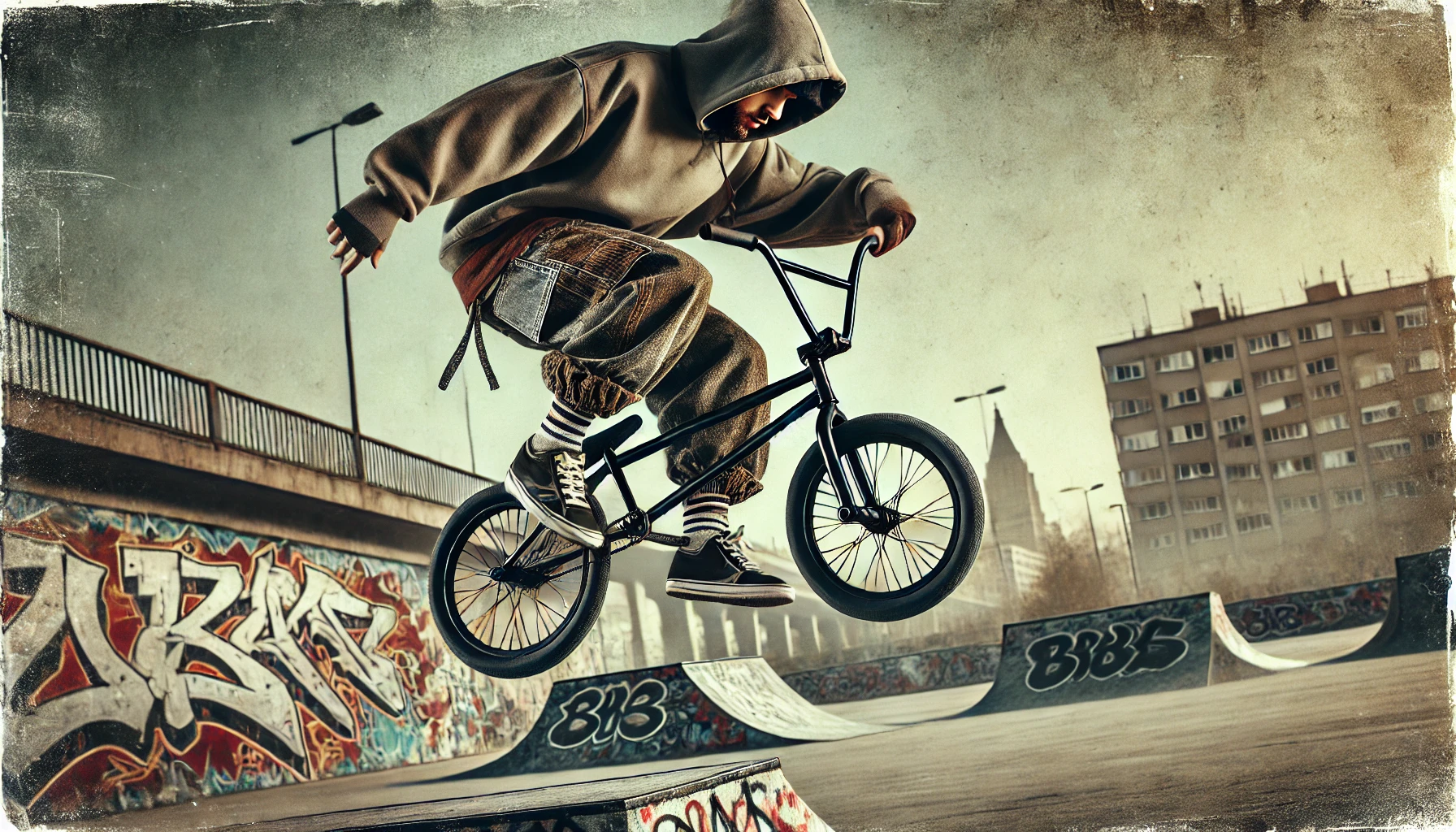
Pros and Cons of Riding Brakeless
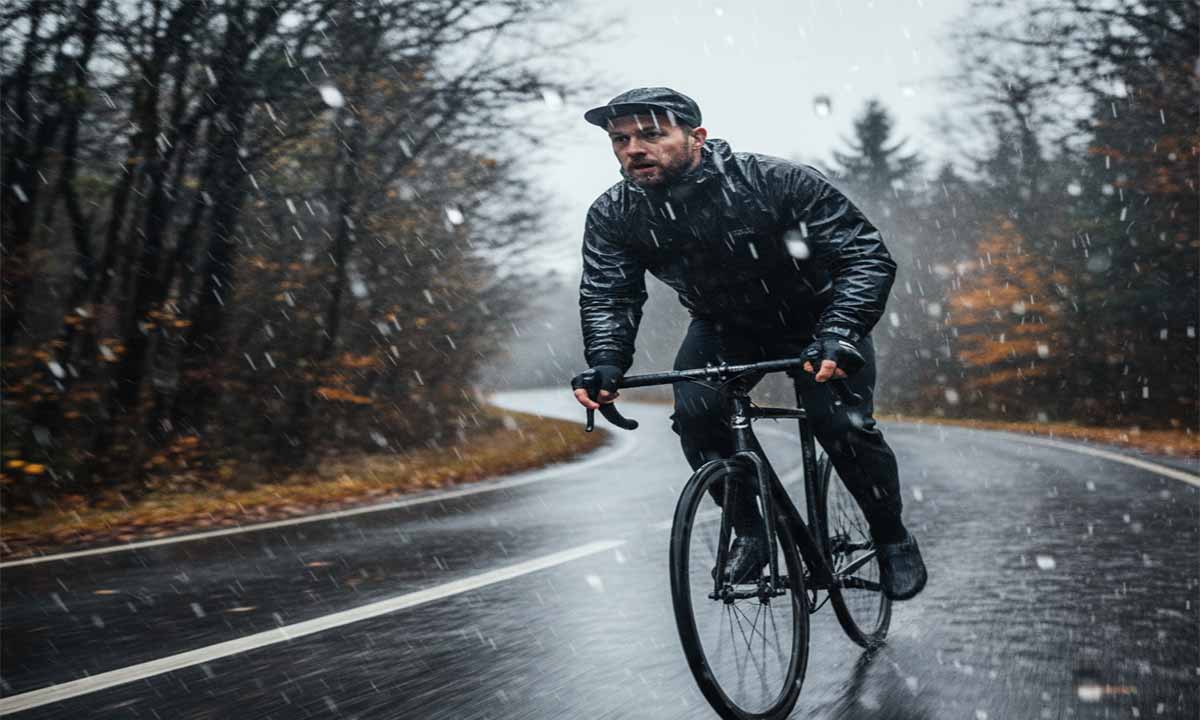
Riding a Bicycle Without Brakes: Skill, Risk, and Responsibility on Roads Worldwide
Cycling takes many forms. For some, it is a daily way to reach work. For others, it is training, sport, or personal expression. Across cities and cycling cultures around the world, one practice continues to spark curiosity and debate: riding a bicycle without brakes. Rooted in track racing and fixed-gear tradition, this approach has moved beyond velodromes and into public streets. The choice carries meaning, discipline, and visible risks. Understanding what it involves matters not only for the rider, but also for everyone sharing the road. This practice, in many ways, echoes the broader history of cycling culture and its evolution.
Riding without brakes offers a direct, minimalist cycling experience. It sharpens awareness, reduces mechanical parts, and demands higher riding skill. Many riders value the physical control and clean design it brings.
At the same time, safety concerns remain central. Emergency stopping becomes harder, legal restrictions vary by region, and physical demands increase. The practice requires careful judgment, strong skill, and respect for shared road spaces.
Where Riding Without Brakes Began
The roots of brakeless cycling trace back to track racing. On velodromes, bicycles use fixed-gear drivetrains. Pedals turn as long as the rear wheel moves. Riders control speed by resisting the pedals rather than pulling levers. In this controlled environment, traffic does not exist. Riders follow predictable lines. Sudden stops are rare. Brakes add weight and serve little purpose. These bikes often feature specific component choices, such as whether to choose freecoaster or cassette hubs for optimal performance.
Track bikes evolved for speed and efficiency. Their stripped-down design focused on power transfer and reliability. Understanding the role of frame materials is key to appreciating this minimalist approach. Over time, this philosophy influenced urban riders who admired its simplicity and physical connection.
As fixed-gear culture spread globally, riders in major cities adopted similar setups for daily use. Bicycle couriers, messengers, and enthusiasts valued durability and mechanical clarity. A brakeless bike reduced maintenance needs and removed parts that could fail under heavy use. It also created a distinct identity that blended sport, utility, and style.
Why Some Cyclists Choose to Ride Without Brakes
This decision rarely comes from impulse. Riders who remove brakes usually do so after understanding what they gain and what they accept in return. Several factors explain its appeal.
Minimal Design and Reduced Weight
Without brake calipers, cables, and levers, a bicycle becomes mechanically simpler. Fewer components mean fewer adjustments and fewer replacement parts. Weight drops slightly, which some riders value for efficiency and handling.
Maintenance also becomes more straightforward. Cleaning takes less time. Mechanical issues become easier to spot. For cyclists who prefer practical setups with minimal complexity, this simplicity holds strong appeal.
Direct Control and Heightened Awareness
Riding without brakes changes how a cyclist interacts with motion. Speed control depends entirely on body input. Pedal resistance, leg strength, cadence, and balance work together. This creates constant feedback between rider and machine.
Many riders describe a stronger sense of presence. They listen closely to tire noise, surface texture, and traffic flow. Anticipation becomes second nature. Rather than reacting late, riders plan earlier. This mental shift reshapes how they move through streets and intersections.
Advanced Skill Development
Brakeless riding demands refined technique. Riders must master slowing through leg resistance, controlled skidding, and precise line choice. Balance improves. Timing sharpens. Physical coordination increases.
These skills can strengthen overall cycling ability. Riders often become better at reading traffic behavior and predicting movement. They learn to choose routes that allow smooth flow rather than sudden stops. This style rewards patience and foresight.
Clean Visual Aesthetic
Many cyclists also appreciate how brakeless bikes look. Handlebars remain uncluttered. Frames appear uninterrupted. The design feels intentional and focused.
For riders who view bicycles as personal extensions, appearance matters. A clean, minimal build reflects discipline and control. While visual appeal alone should never guide safety choices, it remains part of the culture surrounding fixed-gear riding.
The Safety Challenges Cannot Be Ignored
Despite its appeal, riding without brakes presents serious concerns. These issues affect not only the rider but also pedestrians and other road users.
Limited Emergency Stopping Power
Mechanical brakes exist for one reason: immediate stopping. In unpredictable situations, they offer speed and consistency that human strength alone cannot always match.
Unexpected events occur on roads worldwide. Vehicles stop suddenly. Pedestrians cross without warning. Animals move unpredictably. In such moments, even experienced brakeless riders face limits. Reaction time matters. Every fraction of a second counts.
Without brakes, the margin for error narrows. What might have been a controlled stop becomes a collision risk. This reality makes brakeless riding unsuitable for many traffic conditions.
Legal Requirements Across Regions
Many countries and cities require bicycles used on public roads to have at least one functioning brake. Some mandate two. These rules exist to protect public safety.
Violating local cycling laws can result in fines, equipment confiscation, or legal liability after an accident. Regulations differ by jurisdiction, so riders must understand where and how they ride. Ignorance of the law offers no protection.
Reduced Control in Weather and Terrain Changes
Dry, smooth pavement offers predictable traction. Wet roads do not. Rain reduces tire grip. Skidding becomes harder to control. Descents grow more dangerous as speed builds.
Uneven surfaces such as gravel, sand, or damaged pavement add further complexity. Without brakes, maintaining safe speed under these conditions demands exceptional skill and constant focus. Many environments simply do not support this riding style safely.
Increased Wear on Equipment
Stopping through skidding places heavy stress on rear tires. Flat spots develop quickly. Tire lifespan shortens. Replacement costs increase over time.
Some riders also use footwear to assist braking, which damages shoes rapidly. While these costs may seem minor individually, they accumulate. Practical riders must factor long-term wear into their decisions.
Greater Physical Demands
Slowing a fixed-gear bicycle without brakes relies on leg strength and endurance. Long rides with frequent stops become physically taxing. Fatigue reduces control. Reduced control increases risk.
Not every rider maintains consistent strength levels. Illness, exhaustion, or stress affect performance. When physical output drops, stopping ability drops with it. Mechanical brakes do not suffer fatigue. Human bodies do.
Responsibility in Shared Road Spaces
Cycling does not happen in isolation. Roads, paths, and crossings are shared environments. Every choice made by one user affects others.
Riding without brakes shifts responsibility heavily onto anticipation and judgment. Riders must plan far ahead, slow earlier, and avoid dense pedestrian zones whenever possible. Even then, unpredictable events occur.
Public perception also matters. When cyclists appear reckless, trust erodes. This affects cycling advocacy and infrastructure support globally. Responsible behavior strengthens the position of cyclists as legitimate road users.
Skill alone does not justify added risk in crowded environments. Respect for others must guide equipment choices.
Safer Alternatives for Minimalist Riders
For cyclists drawn to simplicity but concerned about safety, options exist.
Many fixed-gear bicycles use a front brake only. This preserves much of the clean design while adding vital stopping power. A front brake provides strong control in emergencies and satisfies legal requirements in many regions.
Single-speed bicycles with freewheels offer another balance. Riders enjoy simplicity without constant pedal motion. Both brakes remain available, making them suitable for urban riding.
Training on closed tracks or empty areas allows riders to practice fixed-gear techniques safely. Public roads demand different priorities.
A Thoughtful Choice Requires Honest Assessment
Riding without brakes is neither inherently reckless nor universally acceptable. It depends on context, environment, and rider capability. What works on a track does not always translate to city streets. What feels controlled at low speed may fail under sudden pressure.
Cyclists must assess their skills honestly. They must consider traffic density, local laws, weather patterns, and personal limits. Understanding bicycle regulation details helps inform responsible choices. Safety should never rely on confidence alone.
A bicycle should support control, not reduce it. The strongest riders understand that restraint often reflects mastery more than risk-taking.
In the end, cycling remains about movement, awareness, and respect. Equipment choices shape how safely those values are practiced on roads shared by all.
Related Post
The History of BMX: How It Became a Global Phenomenon
BMX, short for Bicycle Motocross, began as a grassroots sport inspired by motocross racing. Its [...]
The Ultimate BMX Slang Guide: Terms Every Rider Should Know
BMX culture has its own language that connects riders on the streets, ramps, and parks. [...]