The Real Cost of BMX Riding in the First Year
Stepping into the world of BMX is an exciting choice. It carries the promise of freedom, creativity, and a strong global community. Many riders dream of owning their first BMX bike and feeling the rush of learning new tricks and jumps. Yet before committing fully, it helps to understand what lies behind that dream. The first year of BMX riding involves real costs that go far beyond buying a bike. These expenses shape how safe, prepared, and confident you feel as you grow into the sport. Knowing them early allows for better planning and a smoother start within the rich history of BMX culture worldwide.
A Clear Look at First-Year BMX Expenses
The first year of BMX riding usually includes several core expenses.
These include the bike itself, protective gear, routine maintenance, and costs tied to training and community participation.
Understanding each area helps new riders prepare for a realistic and enjoyable first season.
For beginners, the financial side of BMX often comes as a surprise. The early months involve setup costs that directly affect comfort, preventing common injuries, and progress. Each expense plays a role in shaping your experience on and off the bike.
Understanding the Initial Cost of a BMX Bike
The bike sits at the center of every BMX experience. Prices vary widely depending on whether the bike is new, used, or built from individual parts. Finding the right balance between quality and budget matters, especially for beginners. Entry-level complete bikes usually cost less and work well for learning basics. They may feel heavier and use simpler components, but they allow new riders to build confidence without overspending.
Mid-range and higher-end bikes offer lighter frames and stronger components. These models suit riders who plan to practice often or push their limits sooner. Across global markets, prices differ based on production, shipping, and demand. Regions with local manufacturing often offer more affordable options, while areas that rely on imports may see higher price tags.
Buying a second-hand bike can reduce upfront costs. Online marketplaces and local rider groups often list used BMX bikes in solid condition. Careful inspection matters. Frame cracks, worn bearings, and damaged rims can lead to costly repairs later. Bringing along an experienced rider during inspection helps avoid poor purchases.
Protecting Yourself: Safety Gear Costs
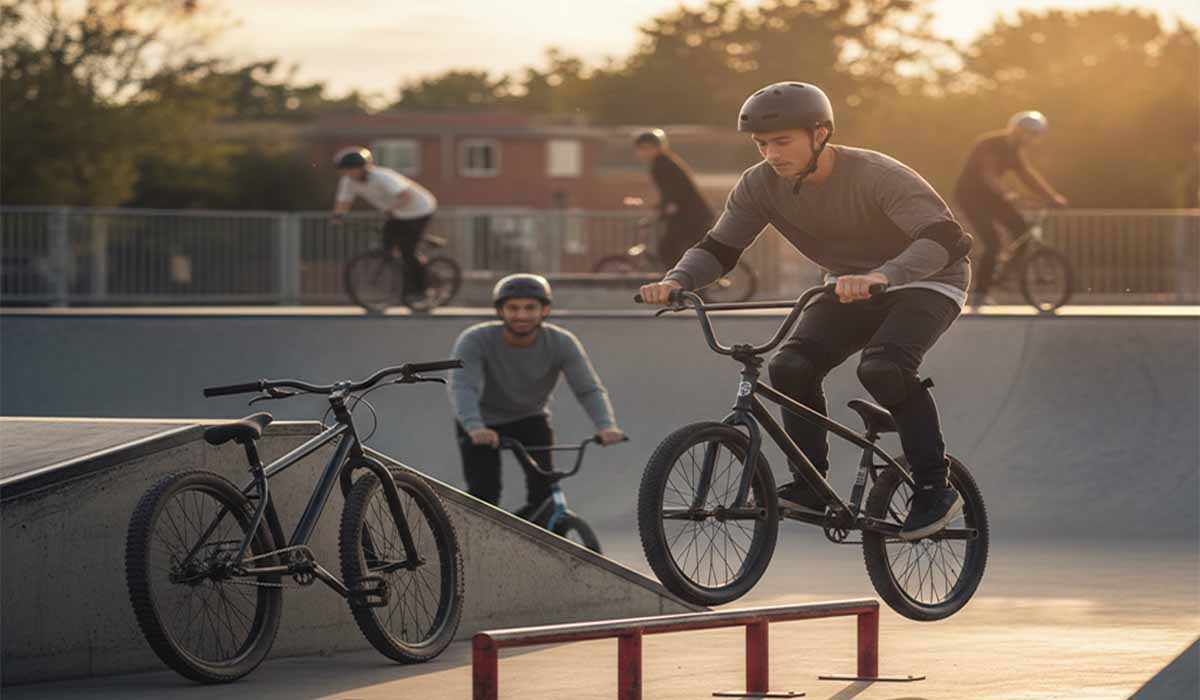
Safety remains a priority in BMX, regardless of skill level. Falls are part of learning, which makes protective equipment essential. Investing in proper gear during the first year supports long-term riding confidence.
A helmet serves as the most critical piece of protection. Open-face helmets suit casual riding and basic tricks. Full-face helmets provide added coverage for riders spending time at skate parks or learning advanced maneuvers. Proper fit matters as much as design. A helmet should sit securely without shifting.
Elbow and knee pads protect joints that take the hardest impact during falls. Designs range from lightweight sleeves to reinforced pads for aggressive riding styles. Comfort influences consistency. Pads that restrict movement often go unused, reducing their value.
Gloves also play an important role. They reduce blisters, improve grip, and absorb vibration from repeated landings. Different styles suit different riding environments, from street sessions to dirt tracks.
Prices for safety gear vary across brands and regions. Budget options exist, though durability and comfort often improve with quality. Preventing injury supports steady progress and keeps riders active throughout the year.
Bike Care: Maintenance and Replacement Parts
A BMX bike requires regular attention. Maintenance costs form a steady part of first-year expenses. Proper care extends the life of components and reduces long-term spending.
Tires wear quickly due to constant friction from pavement, ramps, and braking. Riders who practice frequently may replace tires more often. Stronger tires cost more upfront but usually last longer and perform better.
Brake pads also wear down over time, especially for street riders who rely heavily on braking control. Chains experience constant tension and movement. Without cleaning and lubrication, they can rust or snap. Replacing chains and brake pads remains affordable, though frequent neglect adds up.
Other parts may loosen or break, including pedals, grips, and spokes. Learning basic repairs saves money and reduces downtime. Many riders invest in simple tools such as hex keys and tire levers for home maintenance.
Replacement parts vary in price depending on brand reputation and materials. Careful maintenance slows wear and helps riders stay within budget.
Skill Development: Training and Participation Costs
BMX growth depends on more than equipment. Training opportunities and community involvement also carry costs that shape rider development.
Skate parks and pump tracks form the heart of BMX practice. Many public parks allow free access, while private facilities may charge entry fees. Paid parks often provide smoother surfaces and safer layouts. Regular park sessions help riders adapt to different obstacles and connect with others.
Some riders choose structured learning through clinics or workshops. These sessions, led by experienced riders, offer direct feedback and technique guidance. While not required, they help speed up progress and build safer habits.
Home practice setups offer another option. Small ramps or rails allow skill work without travel. Initial costs exist, though long-term savings appear through reduced park visits.
Events and informal competitions add motivation. Entry fees tend to stay low, though travel and meals add extra costs. Community events strengthen connections and provide learning through observation.
Overlooked Expenses Worth Planning For
Beyond core costs, several overlooked expenses can affect first-year budgets.
Transportation often adds up. Riders traveling to parks or events may spend on fuel, transit fares, or bike racks. Regular travel should be factored into monthly planning.
Unexpected repairs also occur. Flat tires or broken chains can happen without warning. Setting aside emergency funds prevents interruptions in riding routines.
As skills improve, preferences shift. Riders may replace handlebars, upgrade tires, or adjust setups for comfort and control. Custom changes reflect personal style and often come with added expense.
Hydration and nutrition also matter. BMX demands physical effort. Water, recovery snacks, and balanced meals support performance and reduce fatigue.
Apparel and brand merchandise attract many riders. While optional, clothing reflects identity within the BMX community. Small purchases can accumulate over time.
Managing BMX Costs with Practical Planning
Understanding expenses helps riders manage them wisely. Smart planning allows enjoyment without unnecessary financial stress.
Second-hand purchases offer strong value. Many riders sell lightly used gear and bikes. Careful checks ensure quality and safety.
Basic maintenance skills reduce service fees. Knowing how to change tires, adjust brakes, and clean chains builds independence.
Planning for replacement parts prevents surprise spending. Keeping small savings for common wear items helps maintain consistency.
Free public facilities reduce training costs. Many cities worldwide invest in accessible BMX-friendly spaces.
Community involvement brings shared knowledge. Riders exchange advice, deals, and encouragement. This support network often leads to savings and stronger motivation.
Why BMX Value Extends Beyond Cost
Financial investment forms only part of the BMX experience. The sport offers growth that money cannot measure. Riders build patience while learning new tricks. They gain confidence through challenges and recovery after falls.
The global BMX community creates friendships and shared purpose. Physical strength improves alongside improved mental focus. Each session adds lessons that shape personal discipline.
After the first year, riders often notice progress not only in skill but also in perspective. Experiences, challenges, and shared moments become lasting rewards.
BMX represents more than equipment and expenses. It reflects commitment, creativity, and connection. With thoughtful planning, the first year becomes a strong foundation for a lifelong passion.
Related Post
The History of BMX: How It Became a Global Phenomenon
BMX, short for Bicycle Motocross, began as a grassroots sport inspired by motocross racing. Its [...]
The Ultimate BMX Slang Guide: Terms Every Rider Should Know
BMX culture has its own language that connects riders on the streets, ramps, and parks. [...]