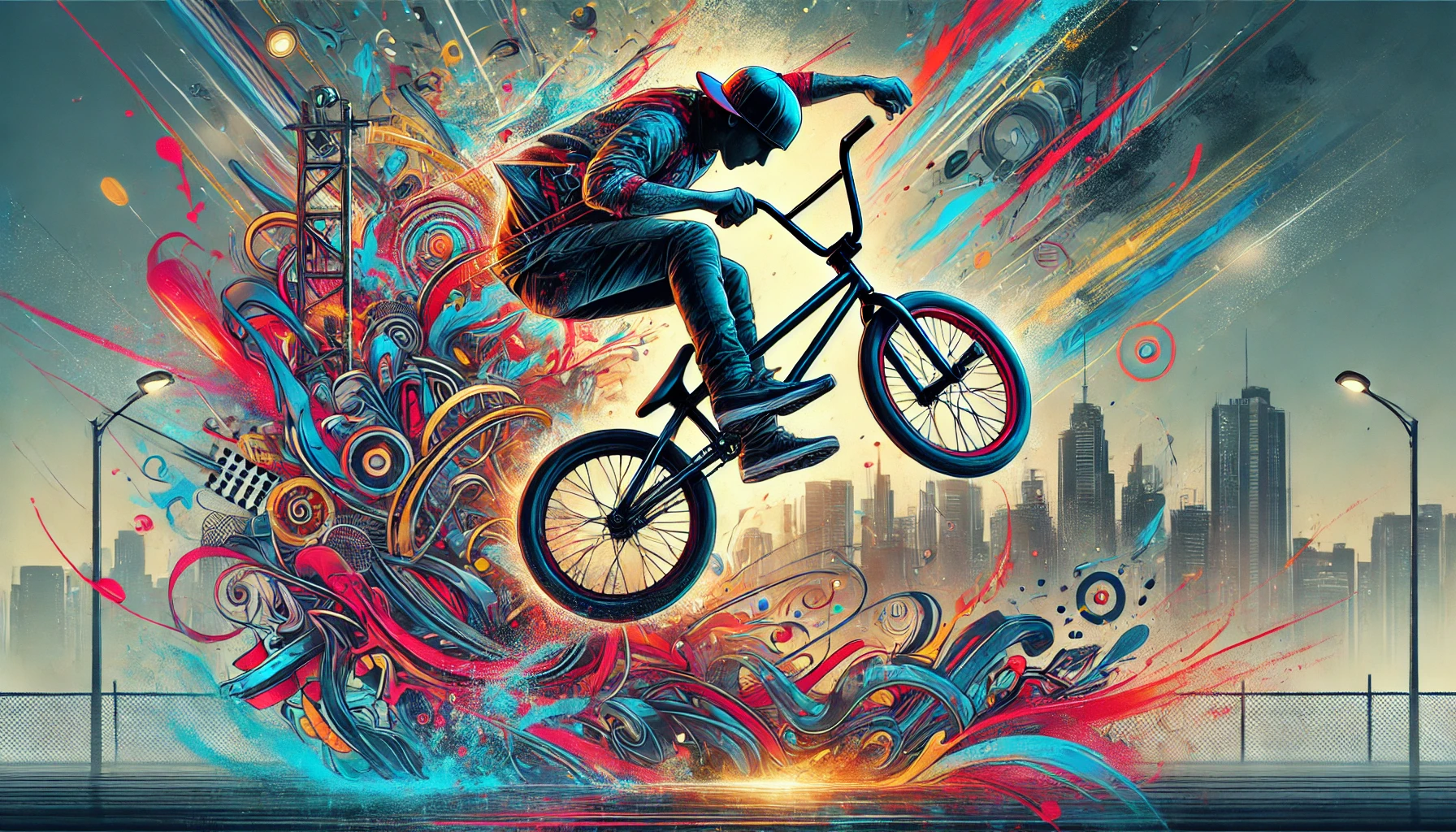
Transitioning from Mountain Biking to BMX
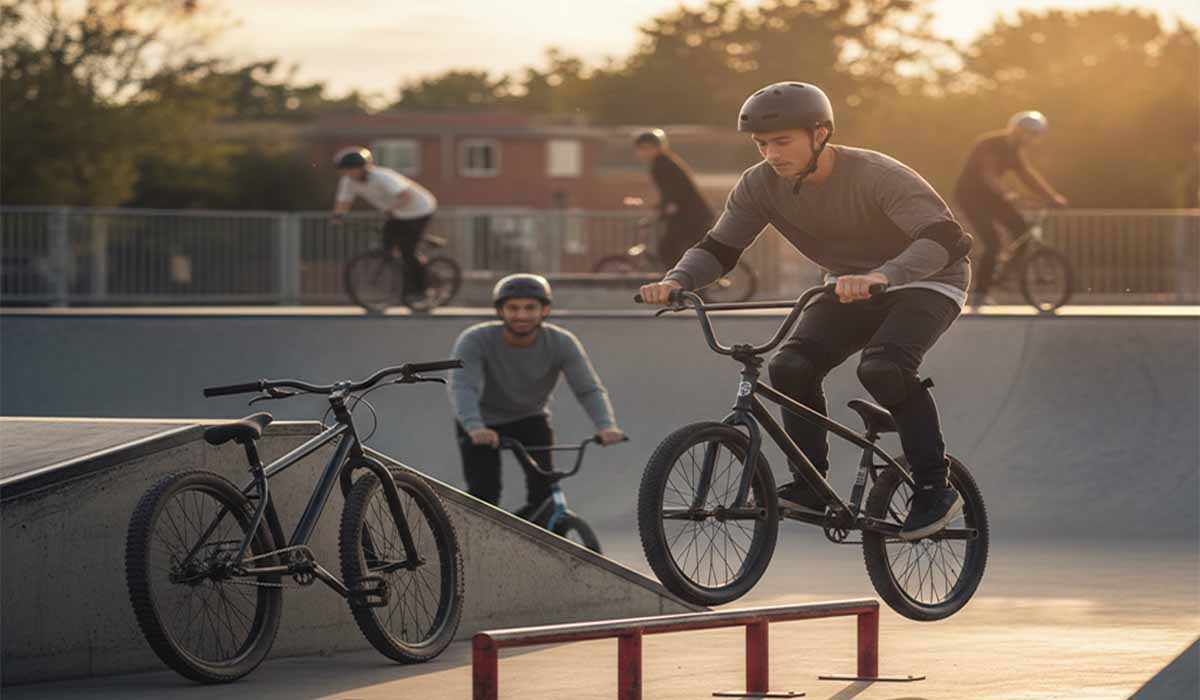
Transitioning from Mountain Biking to BMX: A New Path for Riders
Transitioning from mountain biking to BMX opens the door to an entirely new experience. While mountain biking offers long rides, rugged trails, and the thrill of exploring natural landscapes, BMX emphasizes agility, movement, and creative expression. Riders who venture into BMX often find themselves immersed in a unique culture, learning tricks, and forming strong connections with their bikes and peers. Exploring the rich history of BMX can deepen this connection.
Quick Overview:
- Mountain biking builds endurance, long-distance riding skills, and comfort on varied terrain.
- BMX focuses on agility, explosive power, and technical control for tricks and stunts.
- Transitioning requires adjustments in bike choice, riding style, physical conditioning, and community engagement.
This guide explores the key differences, the skills needed, and practical tips to make the shift from trails to ramps, rails, and urban landscapes.
Understanding the Bike Differences
The first noticeable change for mountain bikers entering BMX is the bike itself.
Mountain bikes are designed for long rides on rough terrain. They feature suspension, multiple gears, and large tires that absorb shocks while maintaining traction. The emphasis is on endurance, climbing hills, and controlling speed over rocks, roots, and uneven surfaces. Riders rely on stability and comfort during extended rides. This setup differs significantly from the specific designs tailored for BMX racing bikes or freestyle setups.
BMX bikes, by contrast, are compact and lightweight. They have no suspension, a single gear, and smaller wheels (usually 20 inches). This design prioritizes agility, strength, and the ability to perform tricks. Every bump is felt directly, demanding more precise control and faster reactions. The tighter BMX frame geometry positions the rider for manipulation in the air and on obstacles.
Adjusting from large, cushioned wheels to a BMX’s small, responsive tires enhances control and creativity. Riders can quickly pivot, jump, and interact with their environment in ways that are not possible on a mountain bike.
Riding Styles: Trail vs. Park and Street
Mountain biking emphasizes exploration and long-distance riding. Trails often include natural obstacles, and success depends on endurance, route choice, and consistent pedaling. The experience is as much about enjoying the environment as it is about riding.
BMX shifts the focus to creativity and precision in more controlled environments. There are three main BMX styles:
- Park: Riders use ramps, half-pipes, and boxes in skate parks to perform tricks, grinds, and combos.
- Street: Urban landscapes provide rails, stairs, ledges, and benches for creative maneuvers. Riders must see potential in ordinary structures.
- Dirt Jump: Riders tackle dirt ramps, using speed and timing to achieve airtime and execute aerial tricks.
The transition is less about distance and more about mastering control, balance, and technique in smaller, faster-paced spaces.
Essential Riding Skills
Mountain biking focuses on endurance, line selection, and consistent speed over technical terrain. Balance is important but mainly supports maintaining momentum and navigating obstacles.
BMX requires more precise control, explosive strength, and agility. Key skills include:
- Balance: Track stands, manuals, and nose manuals form the foundation for many tricks.
- Bunny Hop: Lifting both wheels off the ground allows riders to clear obstacles or gain airtime.
- Pumping: Using body weight to generate speed on ramps or rollers without pedaling.
- Body Control: Coordinating weight shifts, leaning, and hand-foot movements is essential for executing tricks.
- Reflexes and Timing: Quick decision-making and precise timing are critical for stunts, grinds, and jumps.
Mountain bikers may be comfortable navigating technical trails, but BMX demands refining these abilities for agility and aerial creativity.
Physical Preparation
Mountain biking develops leg strength and cardiovascular endurance. Riding uphill and long distances builds stamina, while core strength stabilizes the body over rough terrain.
BMX emphasizes explosive power, upper body strength, and core stability. Riders need to absorb impact from jumps and manipulate the bike mid-air. Physical challenges include:
- Explosive Power: Essential for bunny hops, jumps, and sudden bursts of speed.
- Upper Body Strength: Lifting the bike, gripping handlebars, and controlling impact stresses shoulders, arms, and back.
- Core Stability: A strong core supports balance, shock absorption, and precise control.
- Joint Durability: Knees, ankles, and wrists must handle repeated impact and sudden movements.
- Speed and Agility: Rapid directional changes are central to park and street riding.
Incorporating cross-training, focusing on upper body, core, and leg power, can make the transition smoother and safer.
BMX Community and Culture
Mountain biking often emphasizes solo exploration or small groups, with occasional races or organized trips. While online forums connect enthusiasts, personal interaction may be limited.
BMX culture centers on community. Skate parks and street spots naturally bring riders together. Experienced riders often mentor beginners, sharing tips and encouragement. There is a strong culture of collaboration rather than competition. Riders celebrate each other’s successes, provide feedback, and inspire one another to attempt new tricks.
Being part of the BMX community accelerates learning, fosters connections, and creates a motivating environment that enhances the riding experience.
Investing in the Right Gear
Transitioning to BMX requires suitable equipment:
BMX Bikes:
- Freestyle BMX: Versatile for park, street, and flatland riding; ideal for beginners.
- Race BMX: Lightweight and designed for speed on tracks.
- Dirt Jump BMX: Built for durability and aerial tricks.
Protection Gear:
- Helmet: Full-face for aggressive riding; half-shell for street and flatland. Prioritizing proper helmet protection is crucial for rider safety.
- Knee and Elbow Pads: Essential for beginners to prevent injuries.
- Gloves and Shin Guards: Improve grip and protect against pedal strikes.
Accessories:
- Pedals: Metal pedals with grip enhance control over standard plastic ones.
- Pegs: Necessary for grinding rails and ledges.
The right gear improves safety, builds confidence, and allows riders to push limits responsibly.
Tips for a Smooth Transition
- Start with Fundamentals: Master balance, bunny hops, manuals, and pumping before attempting advanced tricks.
- Find Local Skate Parks or Safe Street Spots: Practical experience is crucial for learning safely.
- Observe Experienced Riders: Watch techniques and adapt insights to your own riding.
- Engage with the BMX Community: Connect for guidance, support, and motivation.
- Accept Falls as Learning Opportunities: Protective gear and patience are essential.
- Progress Gradually: Begin with small ramps and basic tricks before moving to complex stunts.
- Include Cross-Training: Strengthening core, upper body, and legs enhances performance and reduces injury risk.
Every small success, like landing your first bunny hop or completing a manual, builds confidence and encourages continued improvement. Over time, riders can enjoy a completely new aspect of cycling.
Shifting from mountain biking to BMX opens opportunities for new challenges, skill development, and creative expression. It’s a journey into a world where precision, movement, and community come together, offering endless enjoyment and personal growth. With preparation, practice, and connection, the transition can become a rewarding and transformative experience for any rider.
Related Post
The Role of Music in BMX Culture: Playlists from Pro Riders
BMX riders don’t just move to the rhythm of their own tricks—they move to the [...]
The History of BMX: How It Became a Global Phenomenon
BMX, short for Bicycle Motocross, began as a grassroots sport inspired by motocross racing. Its [...]