Best BMX Gear for Riders in 2026
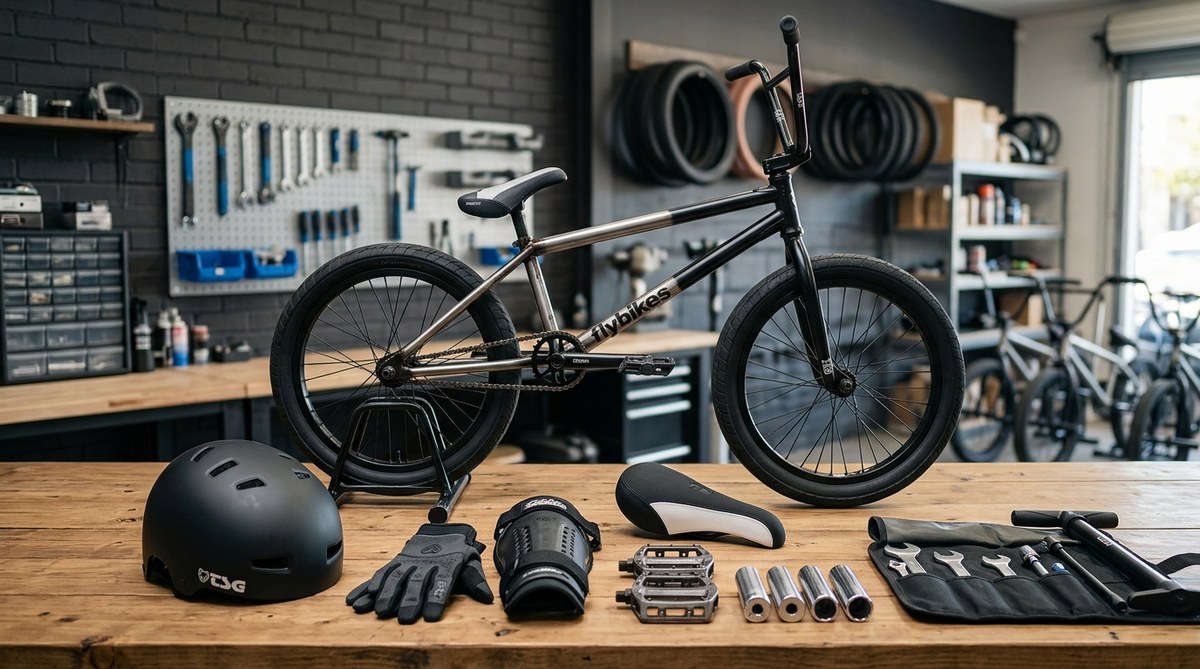
If you live the BMX life in 2026, you know that the right gear makes all the difference between a solid session and an epic wipeout. The FatTonyBMX.com crew has tested a wide range of gear from helmets that fit like a dream to gloves that actually protect your palms without crushing your control. This guide dives into the best BMX gear for riders this year, with practical advice on what to buy, how to match gear to your riding style, and where to invest your dollars for long lasting performance. Let’s break down the essentials so you can ride with confidence all year long.
The 2026 BMX Gear Landscape
BMX gear is evolving fast in 2026. You will find smarter materials, better impact protection, and gear that is lighter, more breathable, and easier to move in. Here is what matters most as you shop:
Tech advances and materials
- Lightweight yet durable frames and components using high grade aluminum alloys or chromoly steel for strength without excess weight.
- Protection gear featuring smarter foams, like D3O, that stay flexible in normal wear but harden on impact.
- Helmets with improved internal geometry and ventilation to keep you cool during long sessions.
- Fabrics in jerseys and pants that wick moisture, dry quickly, and resist wear in key abrasion zones.
- Grips with improved texture and material formulas that grip when sweaty but stay smooth when you need to slide your hands.
What’s new this year
- Modular protective systems that let you customize knee, elbow, and wrist protection to your ride style.
- Integrated cuff features on gloves and wrist pads to reduce rips and tears during bars and grinds.
- Grippy, robust yet slim gloves that preserve feel on the bars while absorbing vibration.
- Brakes and drivetrain components designed for BMX specific needs, emphasizing reliability in street, park, and dirt.
At FatTonyBMX.com we weigh durability, comfort, and value when assessing 2026 gear. The goal is gear that lasts, fits well, and keeps you performing at your best session after session.
The Core: Essential BMX Apparel Pieces
Your riding is only as good as what you wear. The right apparel keeps you comfortable, protected, and focused.
Jerseys, T shirts and jerseys for BMX
- Choose moisture wicking fabrics that pull sweat away from the body.
- Look for flat lock seams to reduce chafing on long sessions.
- Fit is key: a slightly looser chest area but snug under the arms to avoid fabric catching on pegs or handlebars.
- For rides in cooler weather, layer with lightweight jackets or hoodies that dry quickly.
Shorts and pants
- BMX pants and shorts should offer durability without restricting movement.
- Look for reinforced knees and gussets for extra protection during grinds.
- Stretch panels in key areas give you full range of motion for manuals and tailwhips.
- Pockets with secure zippers help you stash small part replacements or keys.
Socks and footwear
- High quality socks with cushioned zones under the heel and forefoot reduce foot fatigue.
- Shoes should have a stiff sole for better pedal control, yet a grippy outsole for grip on pegs and frames.
- Consider shoes with reinforced toe box to handle repeated impact.
Gloves
- Gloves should provide palm protection and good bar feel.
- Look for padding that absorbs vibration without deadening your grip.
- Breathable tops and secure closures prevent slipping on long sessions.
Protection First: Helmets, Pads, and Safety
Protecting your head and joints is non negotiable. 2026 brings smarter protection options that don’t weigh you down.
Helmets: what to look for
- MIPS technology helps reduce rotational forces in certain impacts.
- In mold construction is common for light weight and integrated EPS foam.
- Proper size and a snug fit are crucial for maximum protection.
- Ventilation should be sufficient to prevent overheating during hot days or intense sessions.
- Look for adjustable straps and a comfortable chin pad.
Knee and elbow pads
- Choose pads with a good blend of hard shell and impact foam for lightweight protection.
- Size and fit matter; pads should stay in place during flips and manuals.
- Consider a low profile design for better mobility around pegs and gymnastic bars.
Gloves and wrist protection
- Gloves with reinforced palms protect against abrasion on rails and concrete.
- Some riders add wrist guards for extra support during big drops or heavy manual work.
- Ensure easy finger mobility for fine control on the bars.
Shoes and impact protection for feet
- While not a replacement for proper footwear, some riders opt for protective toe caps or reinforced uppers in rough conditions.
- A stiff sole helps you feel the pedals and prevents foot fatigue during long sessions.
Grips, Pedals, and Hand Control
Your hands are the point of contact with the bike, so grips and pedals matter more than you might think.
BMX grips
- Look for rubber compounds that provide solid grip in wet and dry conditions.
- Textured patterns should offer tackiness without creating hotspots on your palms.
- Grip thickness should fit your hand size and prefer a design that minimizes spinning or twisting on hard landings.
Pedals
- Platform pedals with small steel pins give you solid grip and a stable base.
- Materials range from plastic to aluminum to magnesium; lighter pedals save weight but may wear faster.
- Pins should be replaceable, and the pedal body should resist corrosion and wear.
- Some riders prefer thinner pedals for better foot positioning on pegs and during tailwhips.
Hand care and maintenance
- Regularly check grip tape on bars and replace worn grips to maintain control.
- Clean and lightly oil crank bearings and pedal threads to prevent corrosion.
- Tape or foam grip wrap can reduce vibrations if you prefer a taller grip.
The Bike Build: Key Parts to Consider in 2026
A well built BMX bike is the foundation of great riding. Here are the parts that most affect performance and durability.
Frames
- Chromoly vs aluminum: Chromoly frames are more forgiving and strong, ideal for park and dirt, while aluminum keeps things light for street and racing.
- Geometry matters: longer top tubes, slightly taller head angles, and a balanced stance improve stability for beginner to intermediate riders.
- Damage resistance: look for reinforced dropouts and sturdy gussets in key stress zones.
Forks
- Steerer tube and steerer construction should match your frame to avoid alignment issues.
- Axle options and crown race compatibility influence steering precision and responsiveness.
- For park and street, a slightly stiffer fork can help with air control during tricks.
Wheels and tires
- Typical BMX wheels are 20 inches; you will see variations like 18 or 22 depending on the build.
- Tire width should balance grip with speed; wider tires offer more traction but add weight.
- Tubeless setups are becoming more common for lower pinch flats and better roll.
Brakes
- U brake systems are standard on many freestyle bikes; V brakes and disc brakes are options on some modern setups.
- Consider brake lever feel and pad compounds for predictable stopping in varied lighting and surfaces.
- Some riders choose to run gyro systems for trouble free bar spins; ensure your frame supports it.
Drivetrain and pegs
- Most BMX builds run single speed with a fixed gear and a simple chain tensioning setup.
- Sprockets and chains should handle frequent impact with minimal stretch.
- Pegs add grind options; ensure the frame and axle can handle peg weight and leverage.
Other components
- Gyro tabs, chain tensioners, and seat posts all play a role in adjustability and ease of maintenance.
- Reflective accessories improve visibility for night riding.
How to Pick Gear for Your Riding Style
Your riding style should drive your gear choices. Here is a practical approach to matching gear to how you ride.
1) Street riders
– Prioritize durable gloves, grippy grips, and a mid weight helmet with good ventilation.
– Look for a sturdy frame with enough clearance to avoid wheel rubs on tricks.
– Consider a slightly wider tire for stability on rough pavement.
2) Park riders
– Protect your knees and elbows with low profile pads that stay in place during grinds.
– A lightweight helmet with excellent airflow is ideal for long sessions.
– Platform pedals with crisp grip and replaceable pins help you land smooth.
3) Dirt jump and trail riders
– Full protection including wrist guards may be worth it for extra control on big landings.
– Frames with robust gussets and reinforced brake mounts survive rough terrain.
– Tires with good tubeless compatibility help reduce pinch flats on rough soil.
4) Racing and time trials
– A stiff, lightweight frame and a smooth drivetrain reduce energy losses over long courses.
– Tires focused on low rolling resistance and reliable grip at speed matter.
– A compact, efficient helmet with a snug fit improves aero performance.
5) All around
– Favor gear that blends protection with mobility. Look for adjustable pads and flexible jerseys that move with you.
Budgeting and Value: Gear Sets and Where to Invest
Investing wisely will save you money in the long run. Here is a practical framework for budgeting.
- Entry level (starter to casual rider):
- Helmet with basic protection, sturdy gloves, a pair of reliable pedals, and a mid weight pair of knee pads.
-
Expect to spend a modest sum and prioritize fit and comfort.
-
Mid range (regular rider, improving skills):
- Improved protective gear including MIPS helmet, reinforced knee and elbow pads, quality grips, and durable shoes.
-
A slightly lighter frame and robust wheels help you push to the next level.
-
Pro level (freestyle and competition):
- Top tier protective gear with advanced materials, carbon fiber or premium alloy wheels, and a lighter, responsive frame.
-
High end pedals and grips with excellent feel and longevity.
-
Where to invest first:
- Start with a high quality helmet and gloves for protection.
- Invest in a frame and fork that match your style for best handling.
-
Choose grips and pedals that feel natural to your hands and feet.
-
Where to save:
- You can often find good deals on jerseys and socks that still perform well.
-
Spare parts like replacement bearings, sprockets and chains can be swapped as your parts wear.
-
Sales and bundles:
- Look for bundles that pair a helmet, pads, and gloves together; you can save while upgrading your protection.
FatTonyBMX.com recommends building your gear around your main riding style and comfort. The best value often comes from upgrading one or two critical parts at a time rather than buying a whole new kit at once.
FAQ
1) What is the most important piece of BMX gear for a beginner?
– A properly fitting helmet and a comfortable pair of gloves. These two items set the foundation for safety and control as you learn.
2) Are MIPS helmets necessary for BMX?
– MIPS is a nice feature that helps with rotational impacts. For most casual riders it adds protection without a lot of extra weight. If you ride frequently on concrete or in parks a MIPS helmet is a solid choice.
3) How often should I replace grips and pedals?
– Grips should be replaced as soon as they look worn or feel slick. Pedals can last a long time if you avoid sticky grime and regularly inspect pins and bearings.
4) What should I consider when buying BMX tires?
– Look for a balance of grip, durability, and rolling resistance. The riding surface and weather conditions in your area matter a lot.
5) Do I need pads if I ride street only?
– Pads offer protection on rail grinds and heavy tricks. If you are just learning a few tricks a basic knee and elbow pad set is a good start.
The FatTonyBMX.com Recommended Gear Picks for 2026
- Helmets: choose a helmet with good ventilation, a snug fit, and MIPS if you value rotational protection.
- Pads: knee and elbow pads with a low profile design that stay in place during long sessions.
- Gloves: reinforced palms, breathable backs, and a secure closure system.
- Grips and pedals: grippy grips with replaceable pins and platform pedals with solid grip and long wear life.
- Jerseys and shorts: moisture wicking fabrics with flat seams and stretch panels for mobility.
- Shoes: stiff soles, durable uppers, and grippy outsoles for control on the pedals.
- Frames and forks: choose frames that fit your riding style and ensure you have a proper wheel and tire setup.
The Ultimate 2026 BMX Gear Guide: Quick Reference
- Always prioritize fit and comfort first.
- Match gear to your riding style for best performance.
- Invest in a helmet and pads early on for safety.
- Consider long term cost savings when selecting wheels and frames.
- Check for warranty coverage on parts you rely on most.
The Value of Regular Maintenance
Even the best gear needs love. Here are quick maintenance tips to keep your BMX gear performing at its best through 2026:
- Clean and inspect your bike after every ride.
- Check bolt tightness across the frame and components.
- Replace worn grips and pads as soon as you notice wear.
- Rotate or replace tires when tread depth is low or you notice slow grip on wet surfaces.
- Store gear in a dry location to prevent rust or mold on pads and gloves.
Final Verdict: A Practical Path to 2026 BMX Gear Confidence
The best BMX gear for riders in 2026 is the gear that fits your ride and your budget while offering real protection and comfort. Prioritize a well fitting helmet and reliable gloves, then layer in pads that stay in place during tricks. For performance parts, aim for a frame and fork that align with your style, paired with grippy pedals and grips that feel natural in your hands. With these choices, you will experience improved confidence, control, and longevity in your sessions.
FatTonyBMX.com hopes this guide helps you build a balanced, durable, and enjoyable BMX setup for 2026. Whether you are grinding rails in the park, hitting backcountry dirt jumps, or learning smooth street lines, the right gear keeps you in the groove. For more in depth gear reviews, maintenance tips, and riding techniques, stay connected with FatTonyBMX.com in the Gear and Reviews section.
- Quick recap for 2026:
- Prioritize fit, protection, and comfort in helmets and pads.
- Choose grips and pedals that match your hand size and riding style.
- Balance your bike components with your budget to maximize performance.
- Invest in practical apparel that lasts and supports your mobility.
- Maintain equipment to extend its life and performance.
If you want more detailed, rider specific recommendations, drop a note in the FatTonyBMX.com gear reviews section and tell us your riding style, terrain, and goals. We are here to help you tailor a 2026 BMX gear plan that keeps you riding longer, stronger, and smarter.
Related Post
How to Maintain Your BMX Bike Like a Pro
Keeping your BMX bike in peak condition requires consistent care, attention to detail, and the [...]
Getting Back into BMX as an Adult
Returning to a hobby that once brought joy feels like revisiting an important chapter of [...]